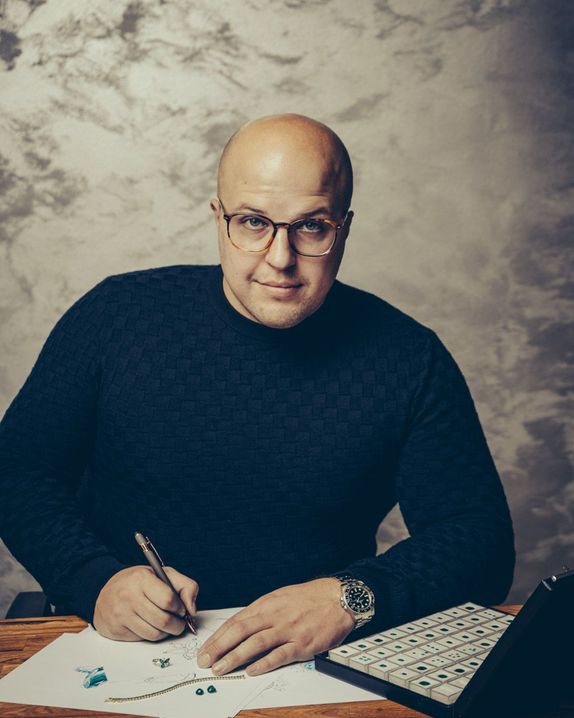
Diamonds are not only captivating gemstones but also an attractive investment opportunity. As with any other investment, however, there are potential risks and pitfalls. We bring you an interview with master jeweller Luboš Korbička, who explains what to watch out for and how to avoid making the wrong choice when investing in diamonds.
Why is investing in diamonds an interesting option in your view, and what are the main advantages of this type of investment compared with other forms?
Investing in diamonds is a very discreet form of investment. Unlike other forms of investment, such as property, where ownership information is publicly available in the Land Registry, diamonds can be kept privately at home without anyone knowing about them. With the future in mind, and in the event of a crisis or the need to leave for another country quickly, it is important that diamonds can be easily packed and transported anywhere in the world. I think property is an excellent investment option, but if you want to diversify your portfolio, investment diamonds are also a suitable alternative. They offer discretion, are portable and can be liquidated relatively quickly.
Could you explain, how the diamond market works and what the main factors affecting diamond prices are?
We divide the diamond market into colourless and coloured diamonds. The market for colourless diamonds works on the basis of a price per carat determined by the market. Anyone can consult the so-called Rapaport price list, which provides an up-to-date overview and information on the prices of diamonds of different sizes, dimensions and colours. By contrast, the market for coloured diamonds is more complex and resembles the art trade. This means that the value of coloured diamonds depends primarily on the specific characteristics of the individual stone.
What is the relationship between a diamond's value and characteristics such as carat weight, clarity and colour?
A diamond's value is directly influenced by its characteristics, although it again depends on whether it is a colourless or coloured diamond. For colourless diamonds, the main factors are quality, colour and carat weight. In addition to these basic factors, the price is influenced by other parameters such as cut, polish and symmetry. For coloured diamonds, colour saturation is the key factor, followed by quality and the other parameters.
Could you advise our readers, how to begin if they want to start investing in diamonds?
The first step is to obtain some basic information about investing in diamonds, for example online. There is no need to spend hours and hours on it, but it is useful to learn a little and gain a basic overview of the subject. The second step should be a consultation with an expert or a company that has many years of experience in the field and knowledge of investing. I have been working in this area for 20 years, so if anyone is interested in a free consultation about this type of investment, I will be happy to arrange a personal meeting.
What returns can investors expect?
Again, it depends on which diamond market we are discussing. In the market for colourless diamonds, the situation has recently been unpredictable, particularly because of growing interest in laboratory-grown diamonds, which affects prices and fuels speculation about the market's future development. By contrast, coloured diamonds are much rarer and exist in very limited quantities worldwide. We can observe a trend of prices increasing by tens of percent per year, and in some cases by several tens of percent. The quality of the individual stone is the key factor.
Could you also explain, please, the main differences between investment diamonds and diamonds used in jewellery?
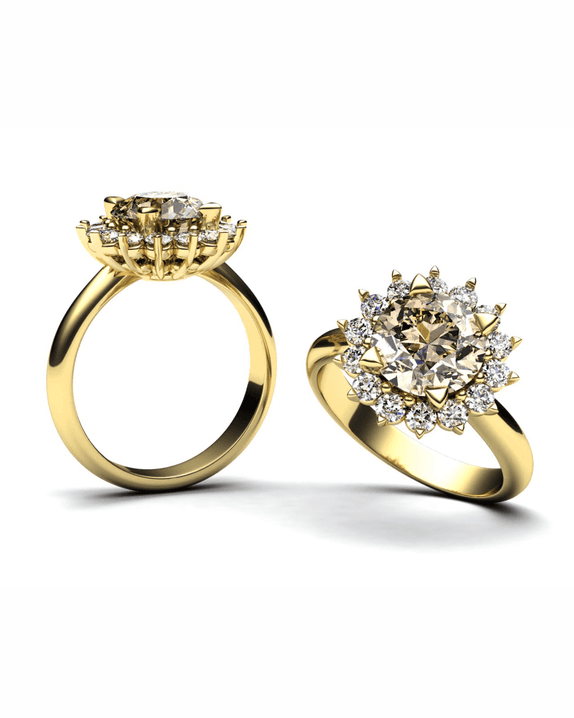
The main differences lie primarily in their rarity and price. Because of their value, clients usually keep investment diamonds stored in a safe. Of course, some clients like to keep their investment assets with them at all times, but they are in the minority. When purchasing an investment stone worth up to CZK 500,000, they sometimes have it set in a piece of jewellery. If the stone is more expensive, ranging from the higher hundreds of thousands to millions of Czech crowns, they usually keep it stored somewhere secure. In my view, one-carat or two-carat colourless diamonds are not investment stones because large numbers of them can be found worldwide. These stones are very difficult to sell, so I do not consider them investment stones.
Both colourless and coloured diamonds are available on the market. Which would you recommend as the best for investment?
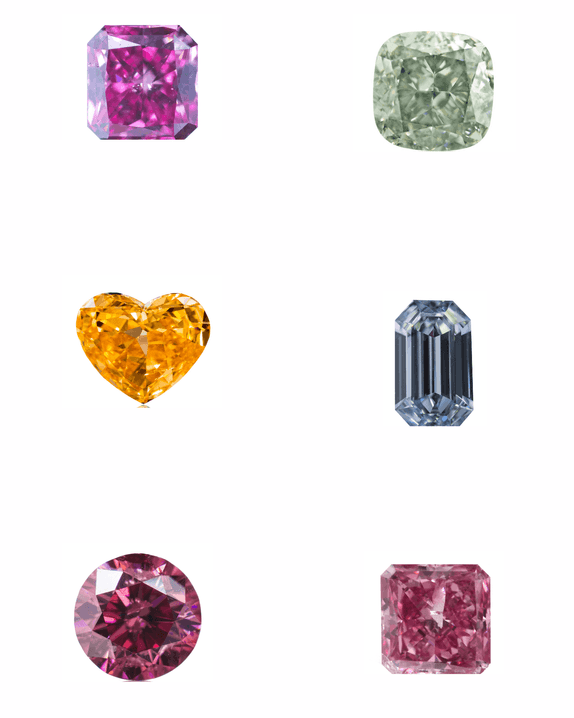
As I have already mentioned, colourless diamonds have very poor liquidity both in the Czech Republic and worldwide because there are large quantities of them on the market and they are difficult to sell. Coloured diamonds, by contrast, offer excellent returns and liquidity. From my perspective, I would most strongly recommend pink diamonds, which have historically achieved some of the best appreciation over the past 25 years and whose prices continue to rise. More experienced investors may find red, green or blue diamonds interesting, as they are generally rarer and more expensive.
Where are investment diamonds most commonly mined?
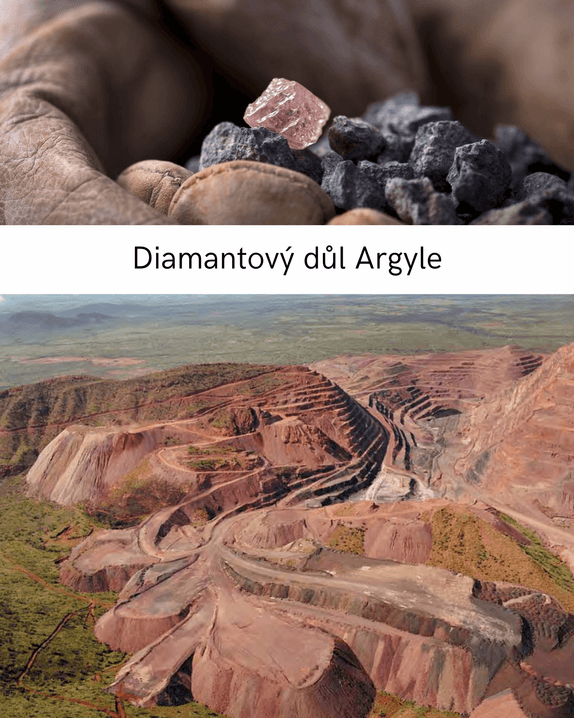
Investment diamonds are most commonly mined in regions such as Africa, India and Russia. For pink diamonds, one of the best-known locations was in Australia, specifically the Argyle mine. Mining at this site ended in 2020, marking the closure of one of the world's most important sources of pink diamonds. Since then, Argyle diamonds have become even rarer and have increased in value.
Has Russia's invasion of Ukraine affected the coloured diamond market?
The main change is that, after a very long period, the price of blue diamonds began to decline. This is because a large proportion of demand for blue diamonds came from clients in Russia. Owing to the current circumstances and the more difficult market situation, demand has fallen, and prices have declined as a result.
What is the current market demand for investment diamonds?
Market demand for investment diamonds is influenced by the general mood in society. During periods of prosperity and optimism, it is usually higher, whereas it falls in times of crisis or uncertainty. In recent months, we have seen lower demand for diamond investments, as well as for investments overall, because of the increase in global conflicts, the Covid-19 pandemic and a general deterioration in public sentiment.
What role do certificates play when buying or selling investment diamonds?
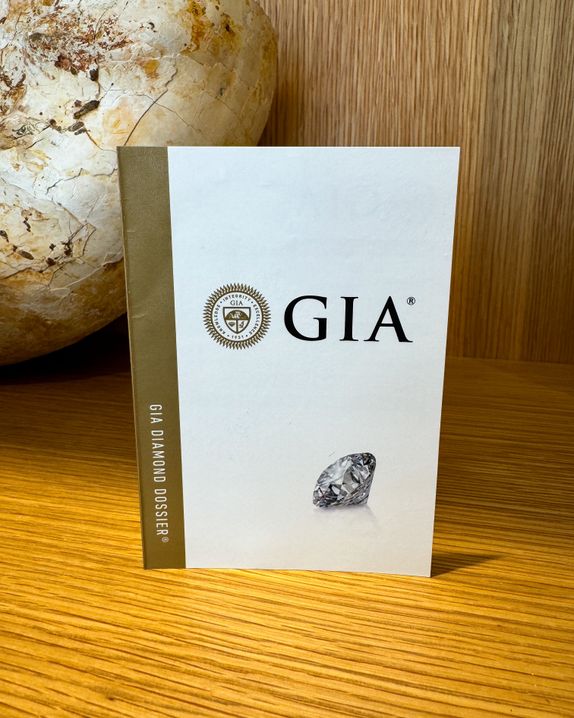
Certificates play a key role when buying or selling investment diamonds. A certificate is something like a diamond's birth certificate, and the prices of diamonds with and without one can differ dramatically. The difference in price may be as much as 40-50%. Certificates provide important information about diamond quality, including its colour, clarity, cut and carat weight. The most widely recognised and best-known certificates worldwide are those issued by GIA (Gemological Institute of America).
Would you recommend buying an investment diamond without a certificate?
Yes, but only if certain conditions are met. It is important to know who you are buying the diamond from and to verify their credibility and the stone's authenticity thoroughly. You must also be able to assess the diamond's quality and its potential future value carefully. It can be an interesting form of investment, particularly if you have the opportunity to obtain a certificate for the stone in the future, which can significantly increase its value.
You also enjoy working with coloured gemstones. Can they have investment value in the same way as diamonds?
Yes, but this market is highly specific and more complex than the coloured diamond market. You need access to the source of these stones. Emeralds and sapphires, for example, can be very interesting gemstones from an investment perspective, but it is important to buy them where they are mined rather than through several additional dealers.
How can readers contact you if they are interested in a consultation?
Readers can contact me via our website to arrange a meeting.