
Pink Diamonds: One of the Rarest and Most Beautiful Gems in the World
Pink diamonds are among the rarest and most stunning gemstones on Earth. They are found deep within the Earth’s crust, embedded in volcanic rock formations that must be mined and processed to separate the precious stones from the surrounding material. Due to their rarity and exceptional aesthetic value, pink diamonds are highly sought after by collectors and investors worldwide, making them one of the most attractive gemstones on the market.
THE HISTORY OF THE ARGYLE MINE
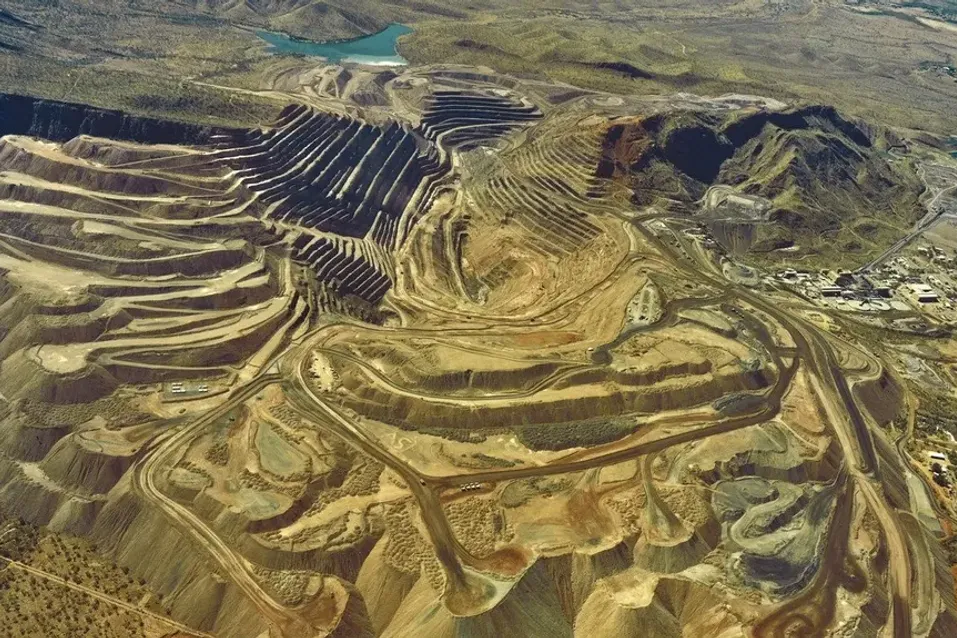
The most important source of pink diamonds was the Argyle Mine, located in the Kimberley region of Western Australia. It was discovered in 1979 by geologist Ewen Tyler and his team during exploration of the area. In 1983, the mine was officially opened, and mining operations began under the British-Australian multinational corporation Rio Tinto, which specializes in the extraction and processing of mineral resources.
By the 1990s, Argyle had become a dominant force in the global diamond market. Although the majority of its production consisted of brown and clear diamonds, the pink diamonds from Argyle quickly gained global recognition for their remarkable color intensity. Eventually, the mine came to produce approximately 90% of the world’s supply of pink diamonds.
In the 2000s, Argyle pink diamonds became synonymous with luxury and exclusivity. Their value continued to increase steadily, reflecting both their extreme rarity and growing market demand.
Argyle Pink Diamonds Tender: A World of Exclusivity
The mine began hosting an annual auction event known as the Argyle Pink Diamonds Tender. This exclusive occasion was by invitation only, welcoming a select group of elite buyers — including renowned jewellers, investors, and collectors from around the world. The diamonds presented were highly prized for their exceptional quality and rarity, often achieving record-breaking prices.
In 2013, Argyle transitioned to underground mining, granting access to deeper diamond-bearing ore. This move extended the mine’s operational life and allowed continued extraction of high-quality pink diamonds.
In 2020, after nearly four decades of operation, the Argyle mine officially closed. The impact of this closure on the diamond market — particularly in terms of supply and demand — is explored later in this article.
THE SIGNIFICANCE OF THE ARGYLE MINE FOR THE PINK DIAMOND MARKET
Argyle became the primary source of pink diamonds globally, meaning its production and pricing policies shaped the market.
Diamonds from Argyle often sold at auction for prices far exceeding those of white diamonds of the same size and quality. This economic impact elevated the prestige of pink diamonds, establishing them as a highly sought-after investment asset.
They are especially valued for their vivid color range — from delicate pastel shades to rich, deep pink tones.
CATEGORIES OF PINK DIAMONDS
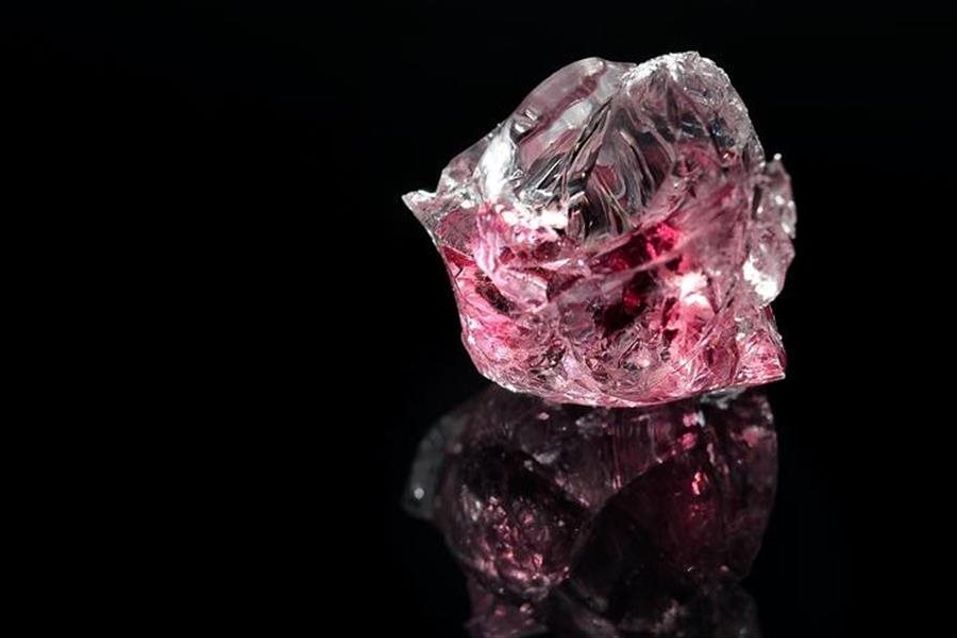
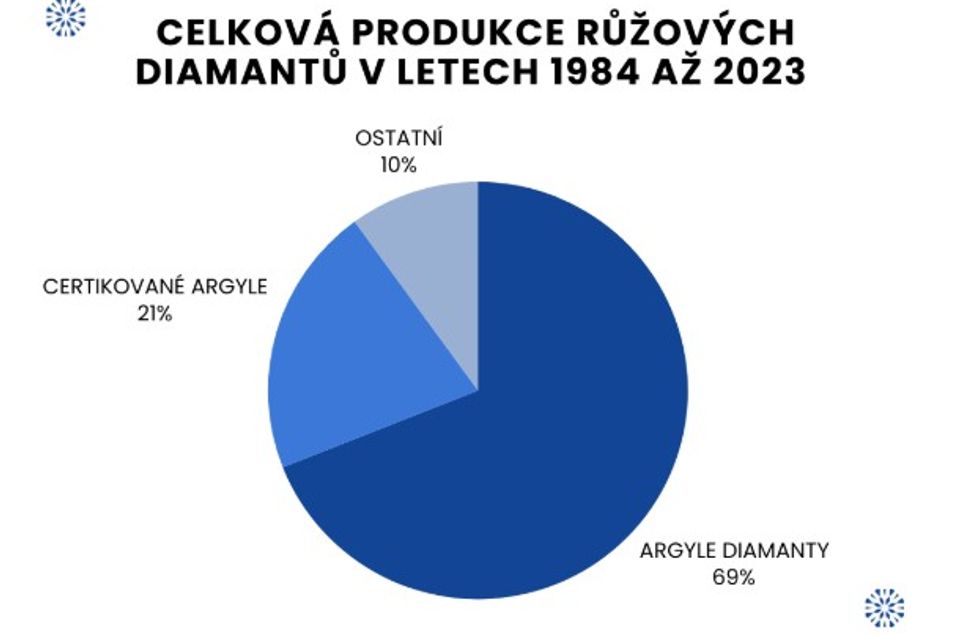
Pink diamonds are systematically classified into three distinct categories: Argyle-origin, Certified Argyle, and Pink Diamonds from Other Sources. Each of these classifications plays an important role in determining a diamond’s value.
ARGYLE DIAMONDS – All pink diamonds from the Argyle mine produced between 1984 and 2005 were generally not marked or certified, except for certain rare stones.
CERTIFIED ARGYLE DIAMONDS – From January 2005 to December 2008, all pink diamonds from Argyle weighing more than 0.20 ct were laser-inscribed and issued with certificates. In January 2009, the certification threshold was lowered to 0.15 ct, and in December 2016 further reduced to 0.08 ct.
OTHER SOURCES – In addition to Argyle, pink diamonds are also mined in several other countries, including Brazil, Canada, India, Russia, and parts of Africa. These sources account for approximately 10% of global pink diamond production.
Fancy Pink Diamonds: Grading by Intensity
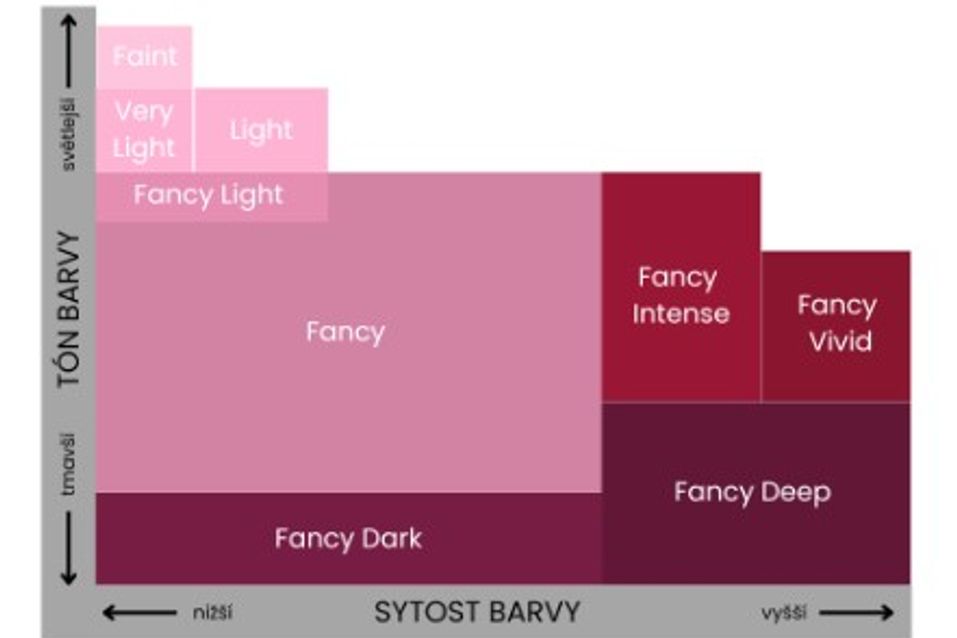
Fancy Pink diamonds are evaluated based on the intensity of their color or a combination of tone and saturation.
This chart illustrates the various levels of pink diamond intensity. The further along the spectrum we go, the more vivid and saturated the pink hue becomes.
THE CLOSURE OF THE MINE AND ITS IMPACT
The closure of the Argyle mine in 2020 marked a dramatic shift in the pink diamond market. With mining operations coming to an end, the supply of these gemstones dropped significantly, leading to further increases in their rarity and price.
Investors who already owned pink diamonds saw a substantial appreciation in the value of their holdings. For many families and collectors, pink diamonds are now considered a legacy asset — a treasure to be passed on to future generations.
The Argyle mine has thus left an indelible mark on the history of the pink diamond market.
PINK DIAMOND VALUE GROWTH FROM 2000 TO 2023
The price growth of Argyle pink diamonds between 2000 and 2023 is a clear example of their exceptional investment performance.
With the mine's closure in 2020 and demand continuing to rise, there is every indication that their value will keep increasing — making them one of the most promising investments in the colored gemstone market.
Value Growth of Pink Diamonds (2000–2023)
Between 2000 and 2010, the value of pink diamonds increased by an average of 10–15% per year. In 2000, the price of a high-quality pink diamond was approximately USD 100,000 per carat (1 USD = CZK 23), and by 2010 it had reached around USD 250,000, representing a total growth of 150% over the decade.
From 2010 to 2020, their value growth accelerated significantly, averaging 15–20% annually. By 2020 — the year the Argyle mine closed — the price per carat had risen to approximately USD 1 million, reflecting a 300% increase over the previous ten years.
What happened after the mine closure in 2020?
The value of Argyle pink diamonds surged even more rapidly, with annual growth averaging 20–30%.
By 2023, the price per carat reached USD 1.5 to 2 million, which represents a 50–100% increase within just three years after the mine’s closure.
OTHER TREASURES FROM THE ARGYLE MINE
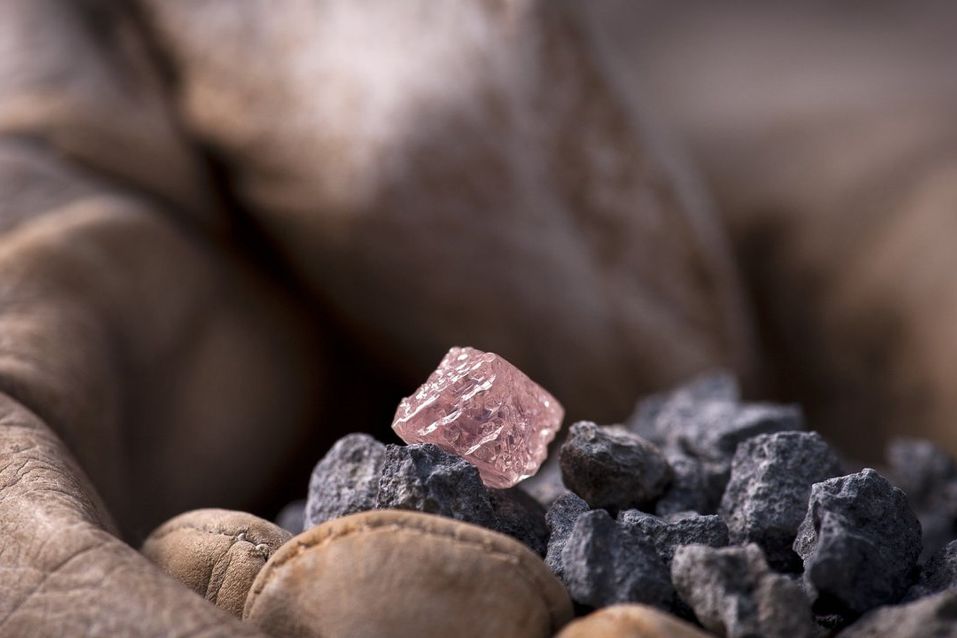
The Argyle mine is not only known for its pink diamonds. It also produced other rare and valuable colored diamonds. Among the most significant are red diamonds, whose intense color is caused by a rare deformation in the crystal lattice during formation. This structural distortion alters how the diamond absorbs light, giving rise to its stunning red hue.
The mine also yielded blue and violet diamonds.
Blue diamonds owe their vivid color to the presence of boron in their crystal structure. This element causes the diamond to absorb red light, resulting in the striking blue appearance. Blue Argyle diamonds are typically smaller in size, but their depth of color and rarity make them highly desirable.
Violet diamonds are the result of trace elements combined with unique pressure conditions during their formation. These stones display a range of shades — from delicate lavender to deep purple.
Each of these colored diamonds is extraordinarily rare and highly valued for its uniqueness and beauty, making them highly sought-after among collectors and investors worldwide.
WHAT TO CONSIDER WHEN BUYING PINK DIAMONDS?
Investing in pink diamonds from the Argyle mine can be both lucrative and prestigious, but it's essential to proceed with care.
The most important step is to verify the diamond’s origin.
Always request a certificate of origin — ideally from Argyle Pink Diamonds or respected gemological institutions such as the GIA (Gemological Institute of America).
Next, consider the diamond’s quality, which is determined by the traditional 4Cs: color, clarity, carat weight, and cut. For pink diamonds in particular, color intensity and saturation have the greatest impact on value.
Choose a jeweller or diamond dealer with proven expertise and a strong reputation in the field.
If you are considering purchasing one of these rare stones as an investment, don’t hesitate to contact us. We will be happy to help you find the perfect diamond.