
Emerald: the king of gemstones
26.8.2026
Emerald is one of the most sought-after and historically renowned gemstones. Its fresh green colour evokes spring in full bloom. It is naturally refreshing yet intensely deep. Emerald carries something mysterious and regal at the same time. Its name comes from the Greek word smaragdos - “green stone”.
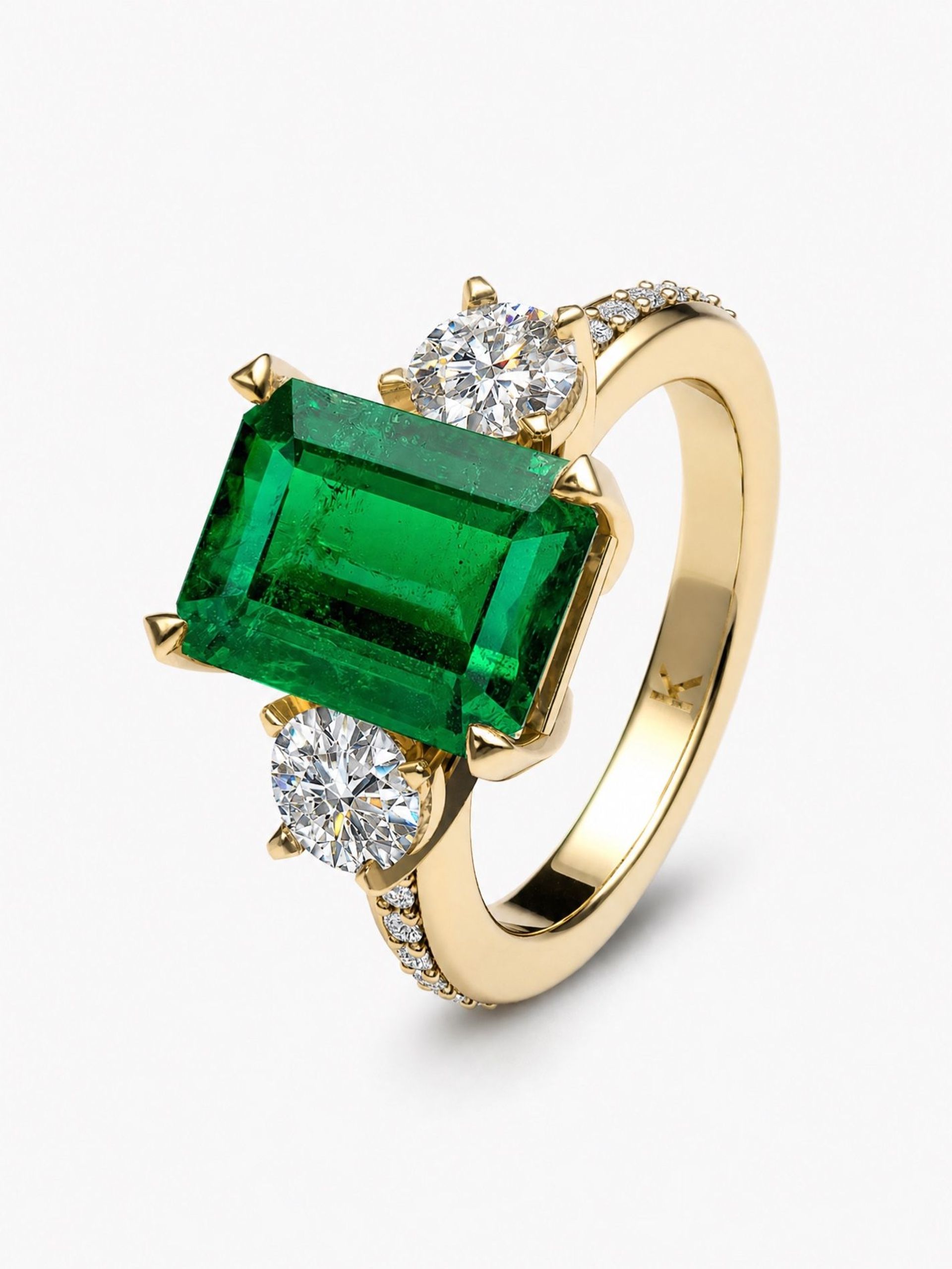
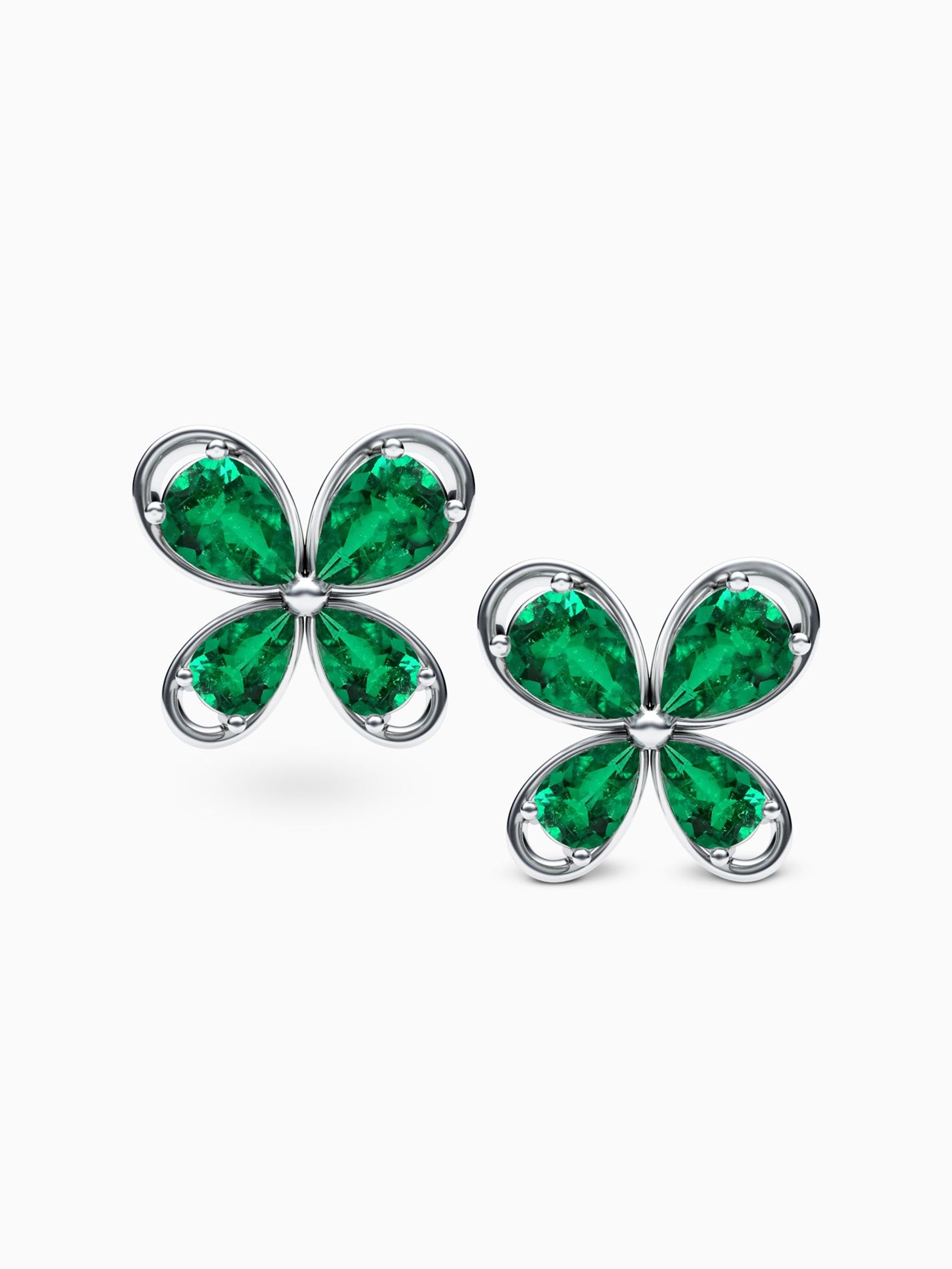
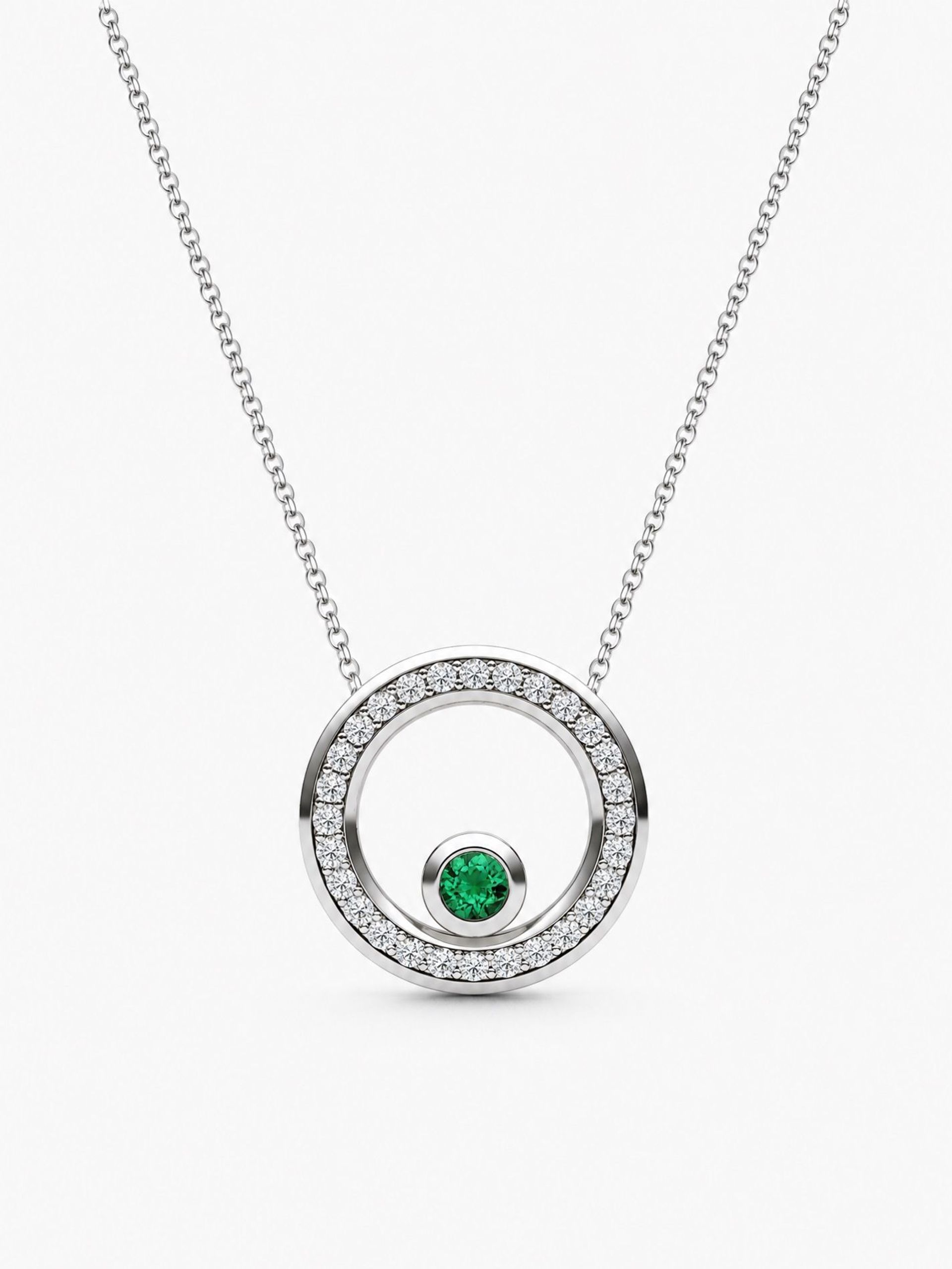
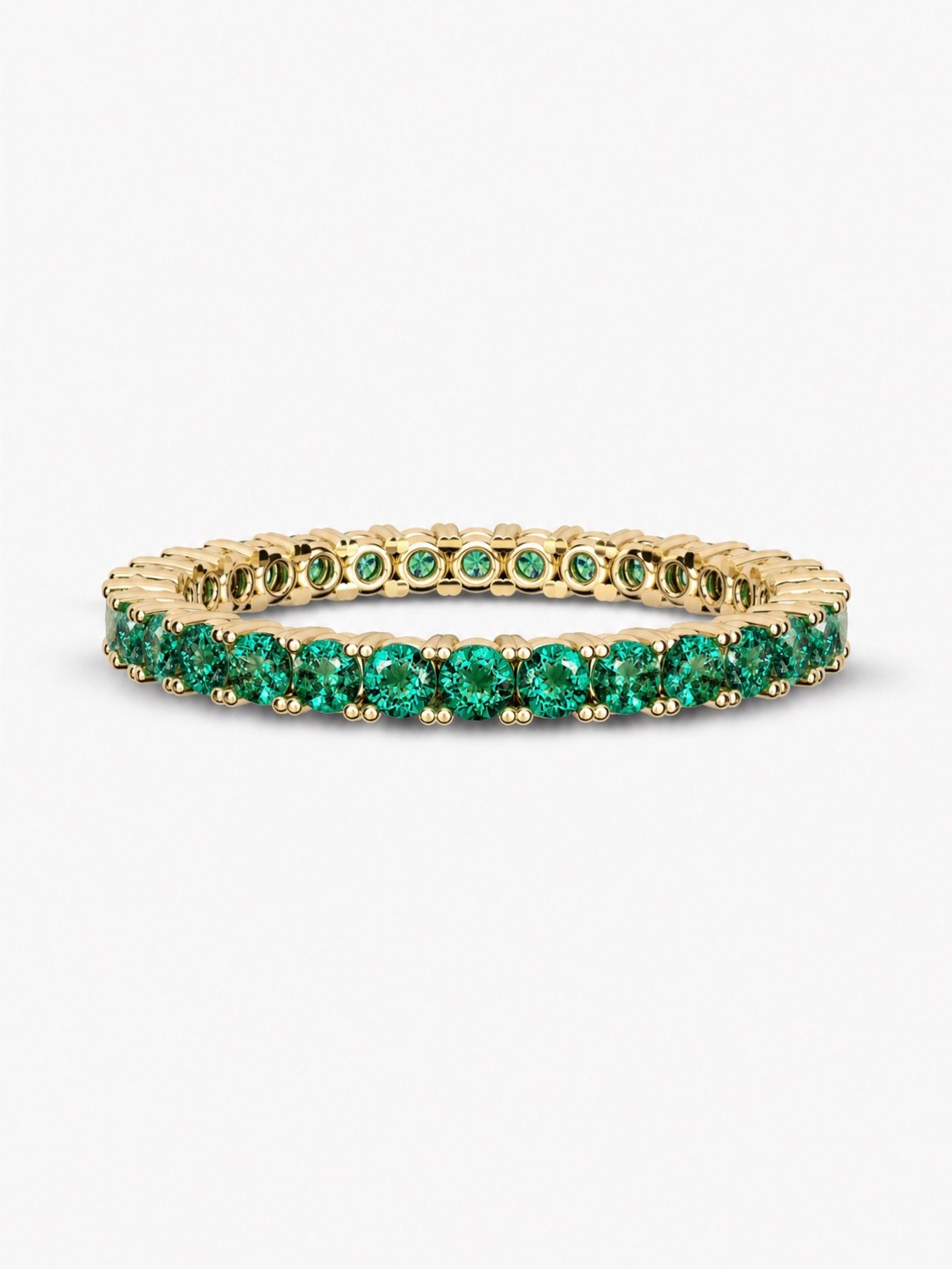
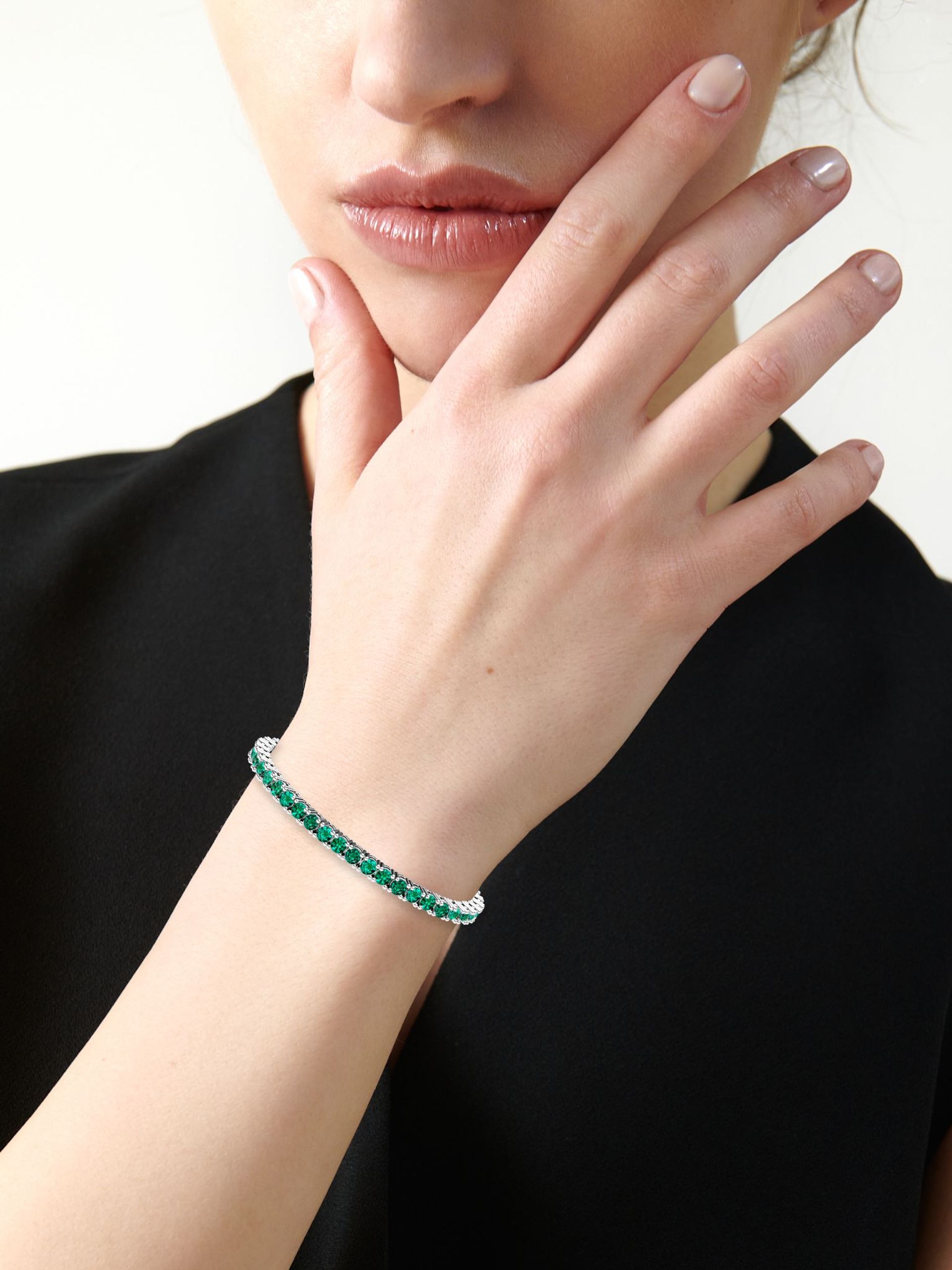
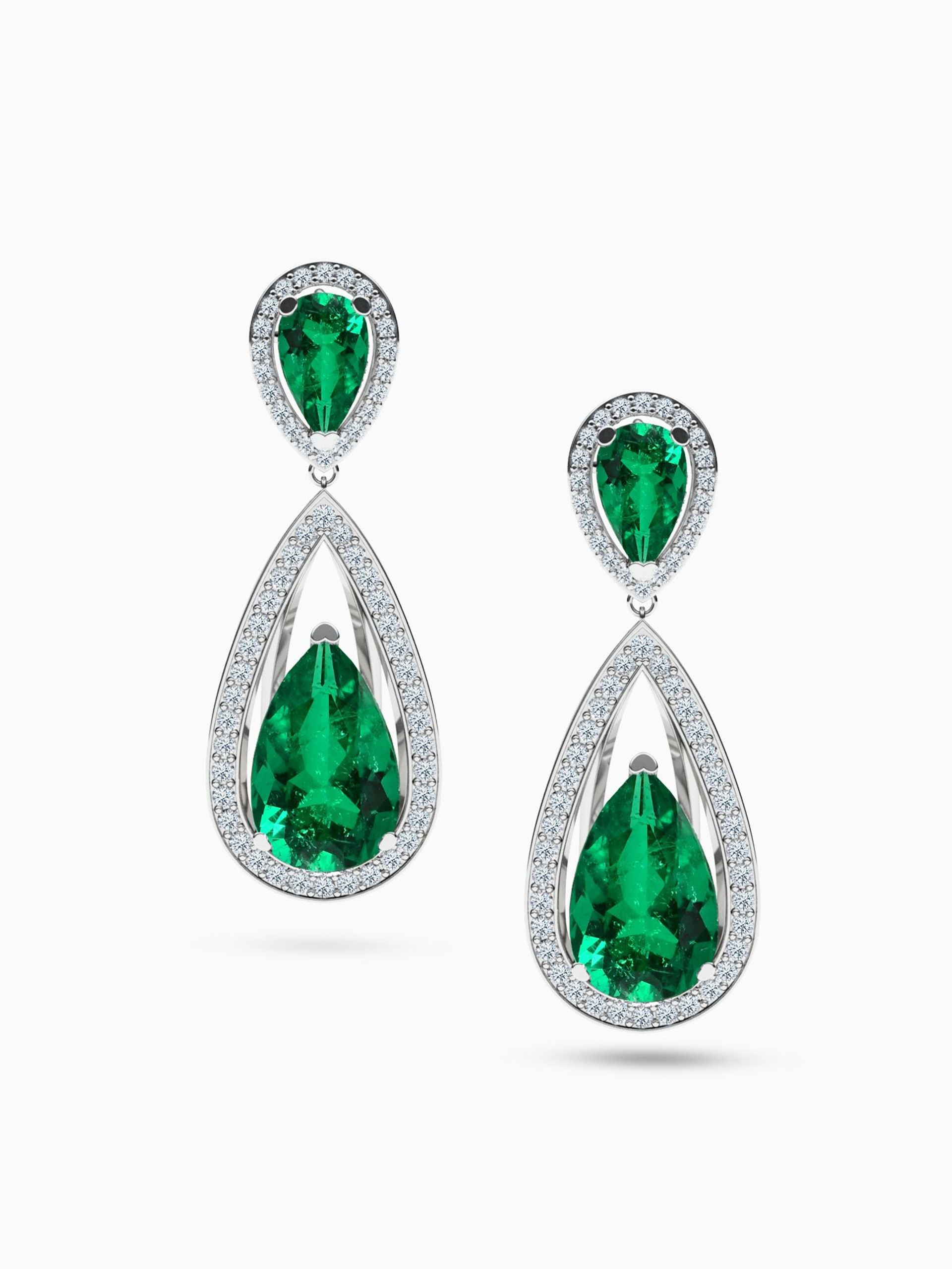
Mineral: Emerald is the green gemstone variety of beryl.
Colour: It ranges from green to bluish green, caused primarily by traces of chromium and/or vanadium.
Chemical composition: It is beryllium aluminium silicate Be₃Al₂Si₆O₁₈.
Hardness: Emerald reaches 7.5–8 on the Mohs scale (M_h = 7.5–8). The stone is relatively resistant to scratching, but because of frequent inclusions and fractures it requires gentler handling.
Emerald - the world’s best-known green gemstone
Emerald has been mined around the world for more than 4000 years. The first known mines were operated by the ancient Egyptians around 500 BC. Today, the best known are the Colombian mines in Muzo, Coscuez and Chivor, which produce intensely green stones of exceptional clarity. Together with ruby and sapphire, emerald forms the so-called “big three” of coloured gemstones.
Emerald exhibits dichroism, meaning a change in colour depending on the viewing angle and incident light. It is often full of inclusions (fractures), known as jardin (the French word for garden). Jardins are considered Mother Nature’s fingerprints. They are a sign of natural origin and beauty, not a flaw (as with other gemstones). Inclusions are treated with oil to improve the stone’s transparency. In general, however, a richly coloured emerald full of inclusions will be more expensive than a flawless emerald of a lighter colour. For more information, see our article on what to look for when choosing a coloured gemstone.
Emerald cut
Emerald also gave its name to a characteristic cut. The Emerald Cut is most commonly used for emeralds to achieve the highest geometric yield. With its broad facets and truncated corners, the Emerald Cut helps reduce mechanical stress in the stone and thereby increases its durability.
Properties and characteristics of emeralds according to GIA
Origin: Well-known sources include Colombia, Zambia, Brazil, Ethiopia, Afghanistan, Russia, China and Madagascar. GIA determines geographic origin using inclusions, spectroscopy and trace-element analysis.
Clarity: Emeralds usually contain inclusions visible to the naked eye, often referred to as “jardin” or garden. Stones without visible inclusions are very rare. Inclusions that significantly reduce transparency or durability also reduce the value of the stone.
Typical treatments: The most common treatment is filling surface-reaching fissures with oils, waxes, natural or synthetic resins, which improves apparent clarity. GIA describes the process as treatment oiling emeralds. Lower-quality and heavily fractured emeralds may also be dyed. GIA rates the degree of filling as minor, moderate or significant and may also identify the type of filler used.
Emerald care
Emeralds should never be cleaned in an ultrasonic cleaner or with steam. They can be safely cleaned with warm soapy water and a soft brush. If you feel the stone has lost its lustre over the years, re-oiling may be appropriate. Emeralds often contain tiny fractures that are filled with colourless oil. This reduces their visibility, making the stone appear clearer, more cohesive and more lustrous. However, this is not routine home care – the treatment should be carried out by an experienced jeweller or gemologist. Although emerald is relatively durable, we recommend storing it in its own box or a soft pouch.
Technical parameters
Refractive index (RI): Emerald has a refractive index of approximately 1.577–1.583. It therefore has a vitreous lustre, but its brilliance is less pronounced than that of sapphire or diamond.
Density: Emerald has a density of approximately 2.67–2.78 g/cm³, most commonly around 2.72 g/cm³. At the same size, it is therefore significantly lighter than sapphire.
Crystal system: The stone crystallises in the hexagonal crystal system, often in the form of elongated six-sided prisms.
Synthetic emerald
The first synthetic emeralds were produced in the mid-19th century. However, they were not produced in commercial quantities until the 1930s. Laboratory-grown emeralds have the same chemical composition and crystal structure as natural emeralds. Compared with natural stones, they usually have higher clarity and a more uniform appearance. They are naturally popular because of their more affordable price. Green tourmaline can be an alternative to natural emerald.
KORBIČKA offers rings, necklaces, earrings and other jewellery featuring only genuine natural emeralds. The most beautiful and highest-quality stones are personally selected by Luboš Korbička during his trips to Colombia. Read his diary from one such expedition directly from the mines in the Muzo region.
The most famous emeralds in history
Legendary emeralds include the Chalk Emerald (weighing 37.8 ct), which is now on display at the National Museum of Natural History in Washington, D.C. The gigantic Gachala Emerald (858 ct) from Colombia is equally astonishing. The 17th-century Mogul Mughal Emerald (218 ct) also stands out; it is said to have been carried by Shah Jahan, the architect of the famous Taj Mahal. He is even said to have had sacred texts engraved on it. Legends say that the Egyptian queen Cleopatra was fascinated by emeralds, and later so was European nobility - including Emperor Rudolf II, well known in Czech history.
Among the stars of Hollywood, Elizabeth Taylor fell in love with emeralds. Actor and future husband Richard Burton gave her a brooch with a huge emerald during the filming of Cleopatra. Elizabeth Taylor also wore this jewel at their wedding.
The Vladimir Tiara (a tiara is a type of crown) was owned by Queen Elizabeth II. She wore it frequently because it was one of her favourite jewels. It later became the subject of speculation surrounding Meghan Markle’s wedding to Prince Harry in 2018. British tabloids reported that Markle wanted to wear the tiara at her wedding but was told she could not have it because of its insufficiently documented provenance.
Emeralds have also left their green mark on Czech history. The St Wenceslas Crown contains around 30 emeralds. Jewellery making and gemstone cutting are longstanding traditions in Bohemia, linked to the court of Rudolf II.
Emerald as a gift full of symbolism
Emerald is the birthstone associated with people born in May and an anniversary gemstone for the 20th, 35th and 55th years of marriage. Popular jewellery for such an occasion includes, for example, a luxurious delicate gold necklace with a natural gemstone. Owning an emerald means owning a piece of history, a piece of nature and a work of art.
Every stone has its own personality. If you want to choose yours, visit our Prague showroom or Brno studio and discover unique pieces from KORBIČKA jewellery.
Sources:
- GEMOLOGICAL INSTITUTE OF AMERICA. Emerald Care and Cleaning Guide [online]. GIA [accessed 2026-07-30]. Available at: https://www.gia.edu/emerald-care-cleaning
- SAESEAW, Sudarat; Nathan D. RENFRO; Aaron C. PALKE; Ziyin SUN and Shane F. MCCLURE. Geographic Origin Determination of Emerald. Gems & Gemology [online]. 2019, vol. 55, no. 4, pp. 614–646 [accessed 2026-07-30]. DOI 10.5741/GEMS.55.4.614. Available at: https://www.gia.edu/gems-gemology/winter-2019-emerald-geographic-origin-determination
- GEMOLOGICAL INSTITUTE OF AMERICA. Emerald Quality Factors [online]. GIA [accessed 2026-07-30]. Available at: https://www.gia.edu/emerald-quality-factor
- GEMOLOGICAL INSTITUTE OF AMERICA. GIA Enhances its Emerald Reports [online]. 12 December 2024 [accessed 2026-07-30]. Available at: https://www.gia.edu/gia-news-press/gia-enhances-emerald-reports