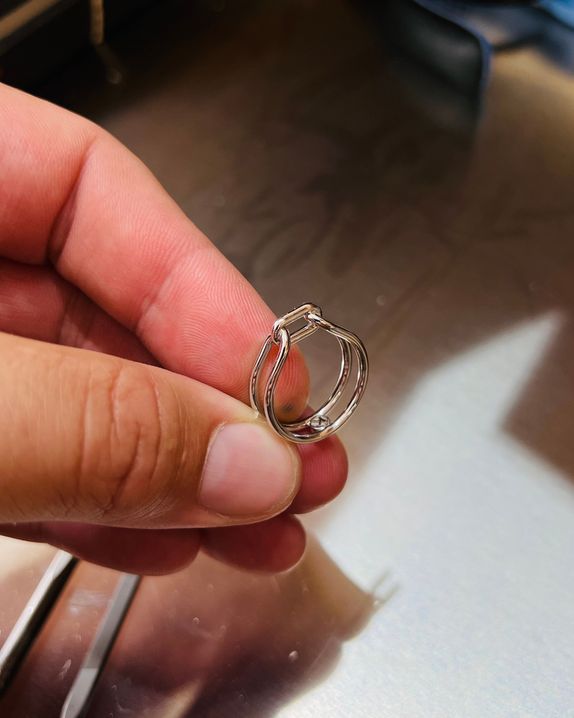
Gold is a metallic element with exceptional physical properties, including a high lustre, resistance to corrosion and excellent electrical conductivity. It is known for its historical and modern-day role as an investment, industrial and, above all, jewellery-making material. In the following article, we will look at several main types of gold and the differences between them.
Gold in Jewellery
One of the best-known types of gold is gold used in jewellery. Its purity is measured in karats (K). Pure gold is defined as 24K. The higher the karat number, the higher the pure gold content. Gold may contain various alloying metals that give it a different colour or greater strength. Jewellery is most commonly made from 14K and 18K gold.
Difference Between 14K and 18K Gold
The difference lies in the amount of pure gold in the alloy. The karat designation indicates the proportion of pure gold in the mixture relative to the total amount of metal.
14-karat gold: contains 58.3% pure gold, while the remaining weight consists of other metals such as copper or silver. It is more durable and harder than higher-karat gold, which can be an advantage for jewellery that requires greater strength.
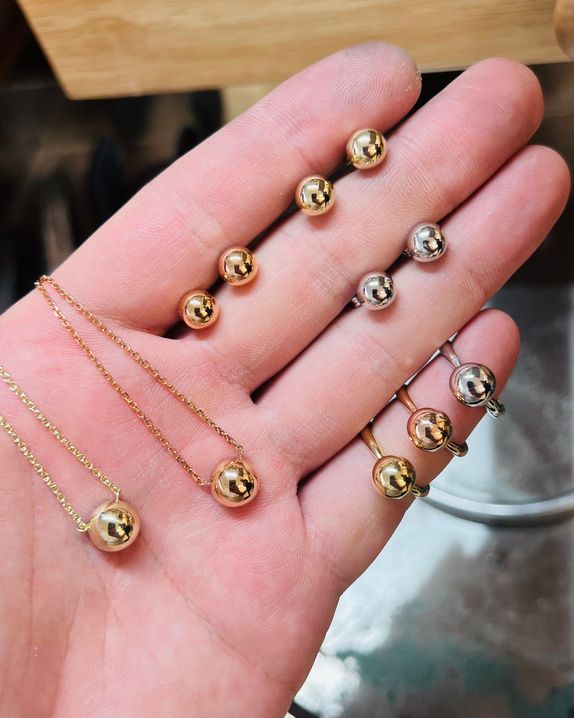
18-karat gold: contains 75% pure gold and has a lower proportion of other metals than 14K gold.
It is softer and may be more prone to scratching, but it has a richer golden colour. It is more often used for jewellery with a high aesthetic value.
Which Colour Should You Choose?
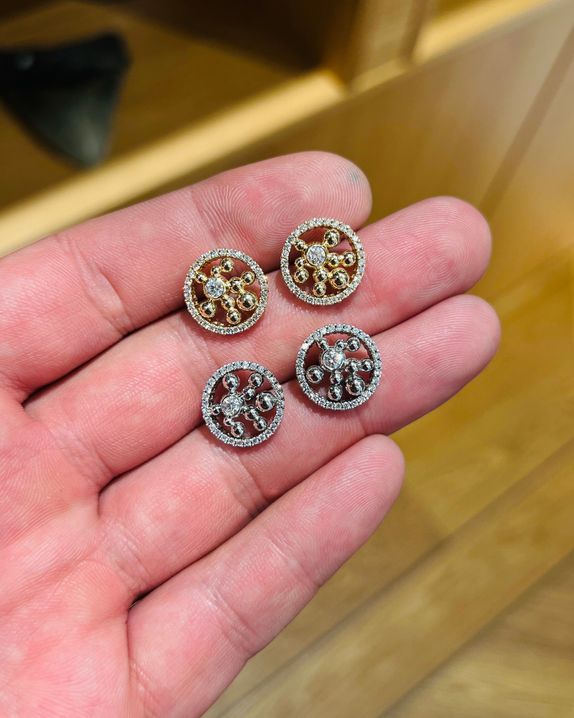
In the past, yellow gold was the most popular choice, but today white gold is becoming increasingly popular. Rose gold is used the least. Jewellery is also made from combinations of these types. Our range includes, for example, rings combining two types of gold, most often white and rose gold.
Yellow Gold
Yellow gold is an alloy of gold and other metals, most commonly silver and copper. It has a characteristic yellow colour, which may be richer or lighter depending on the proportion of the added metals. It is often combined with different types of gemstones. Emeralds, tourmalines, sapphires and citrines beautifully complement its warm tone. Looking for something unique? Discover the beauty of emeralds, diamonds and yellow gold in a unique designer ring that will meet even the highest expectations.
White Gold
White gold is made by combining pure gold with white metals such as silver, palladium or nickel. The proportions of these metals can affect the properties of white gold, including its colour, hardness and durability. White gold jewellery is commonly plated with rhodium, which creates a harder surface and gives the piece an even whiter appearance. White gold enhances the colour of every gemstone and is especially well suited to the blue tones of aquamarines, topazes and sapphires. Today, it is the most widely used colour for wedding rings, and our range includes a wide variety of designs.
Rose Gold
Rose gold is an alloy of pure gold and copper. Copper gives the gold its reddish tone while also increasing its hardness and durability. Gemstones in similar colours, such as morganite or tourmaline, complement this shade of metal beautifully. Let yourself be captivated by the beauty of a rose gold ring combined with tourmaline and diamonds.
Custom-Made Jewellery
If you are considering a custom-made piece of jewellery, it is entirely up to you whether we make it in white, yellow or rose gold. You can also choose between 14K and 18K gold. Contact us and together we will create an original and exceptional piece of jewellery that will accompany you through life.