
Coloured gemstones and their magic: choose a stone with personality and value
9.9.2026
Blue that changes with every movement. Green that draws you in with its depth. Pink transitioning to rich green within a single crystal. Coloured gemstones are more than decoration; above all, they give a piece of jewellery personality. Nature never creates two completely identical stones, making the finished jewel truly unique.
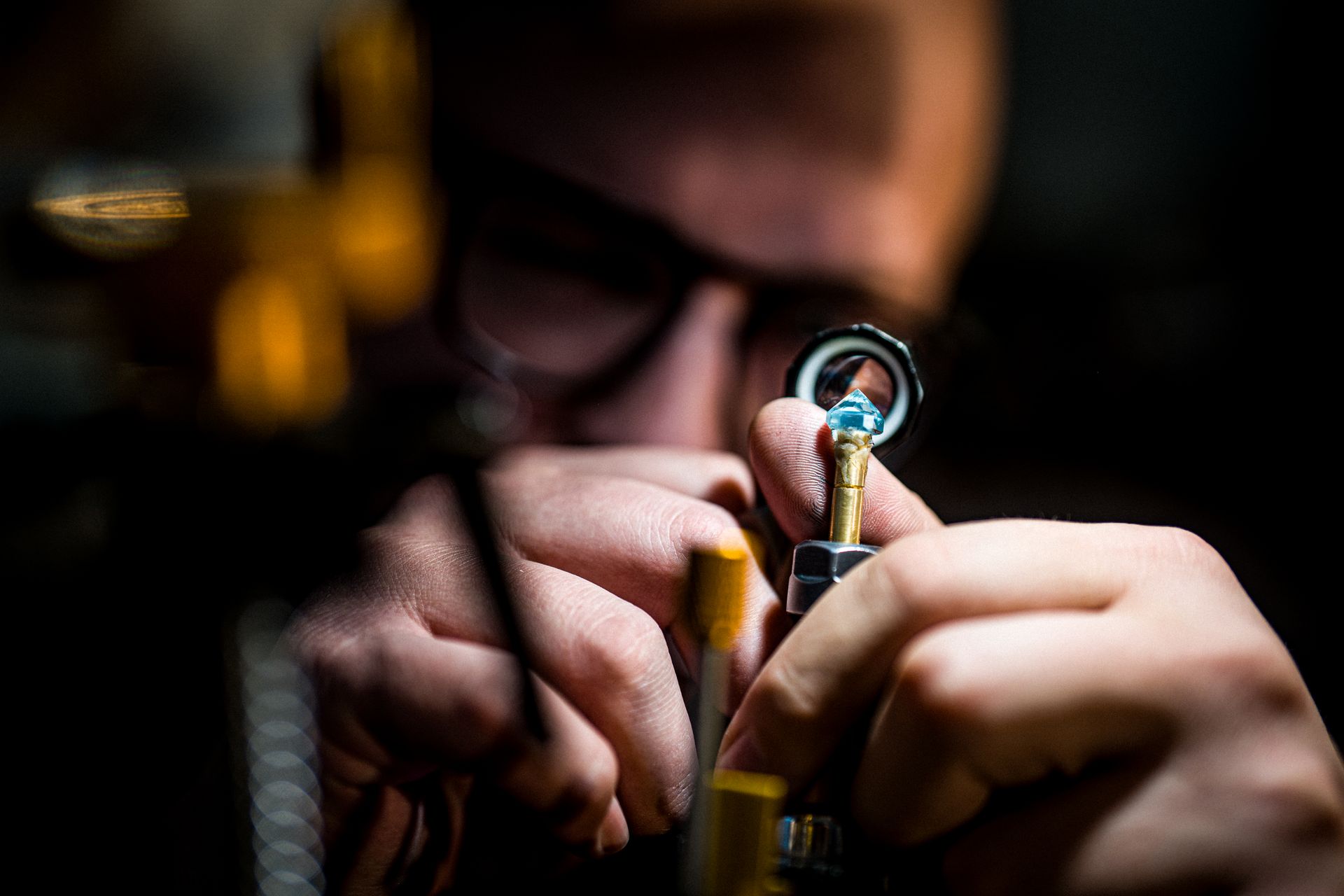
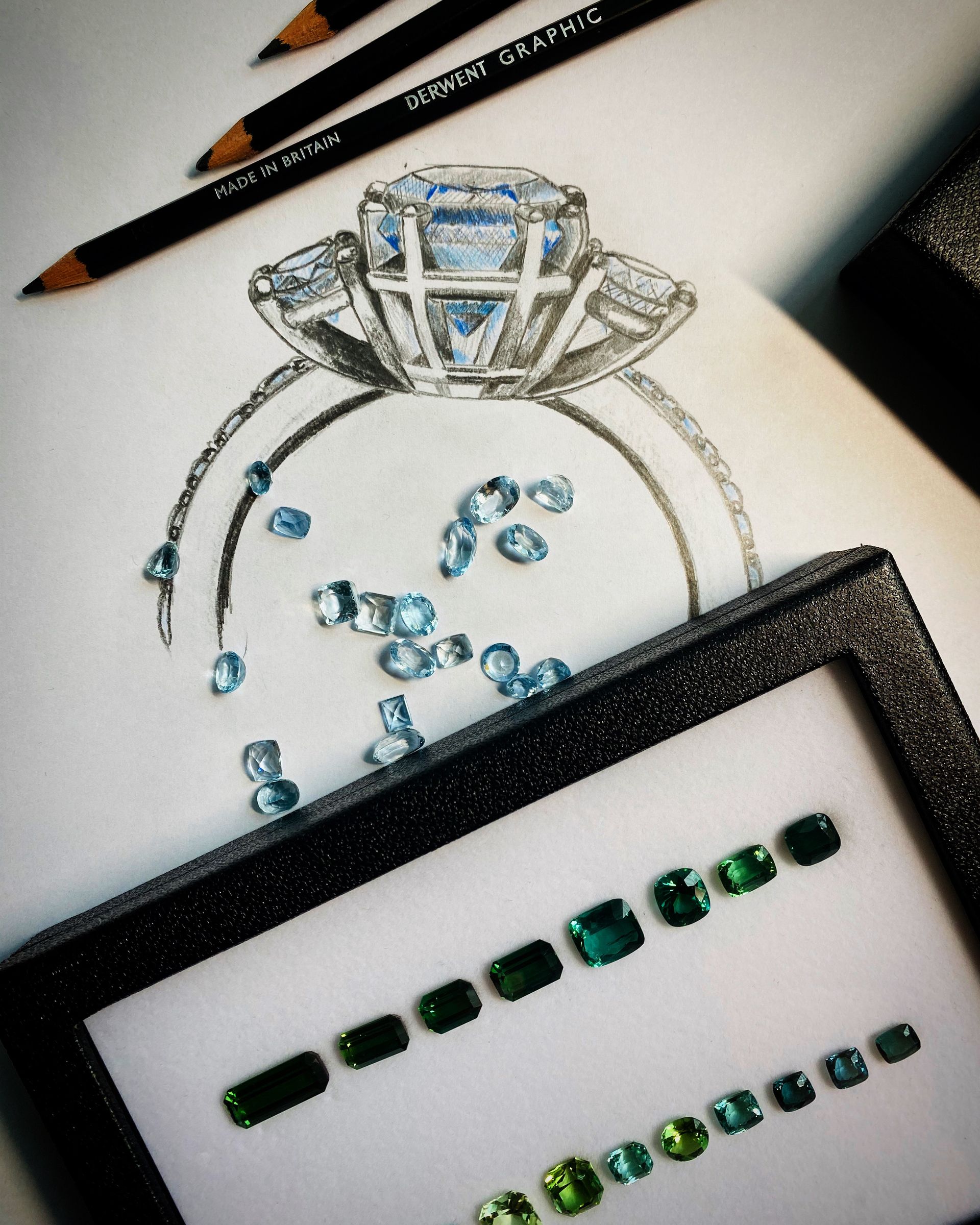
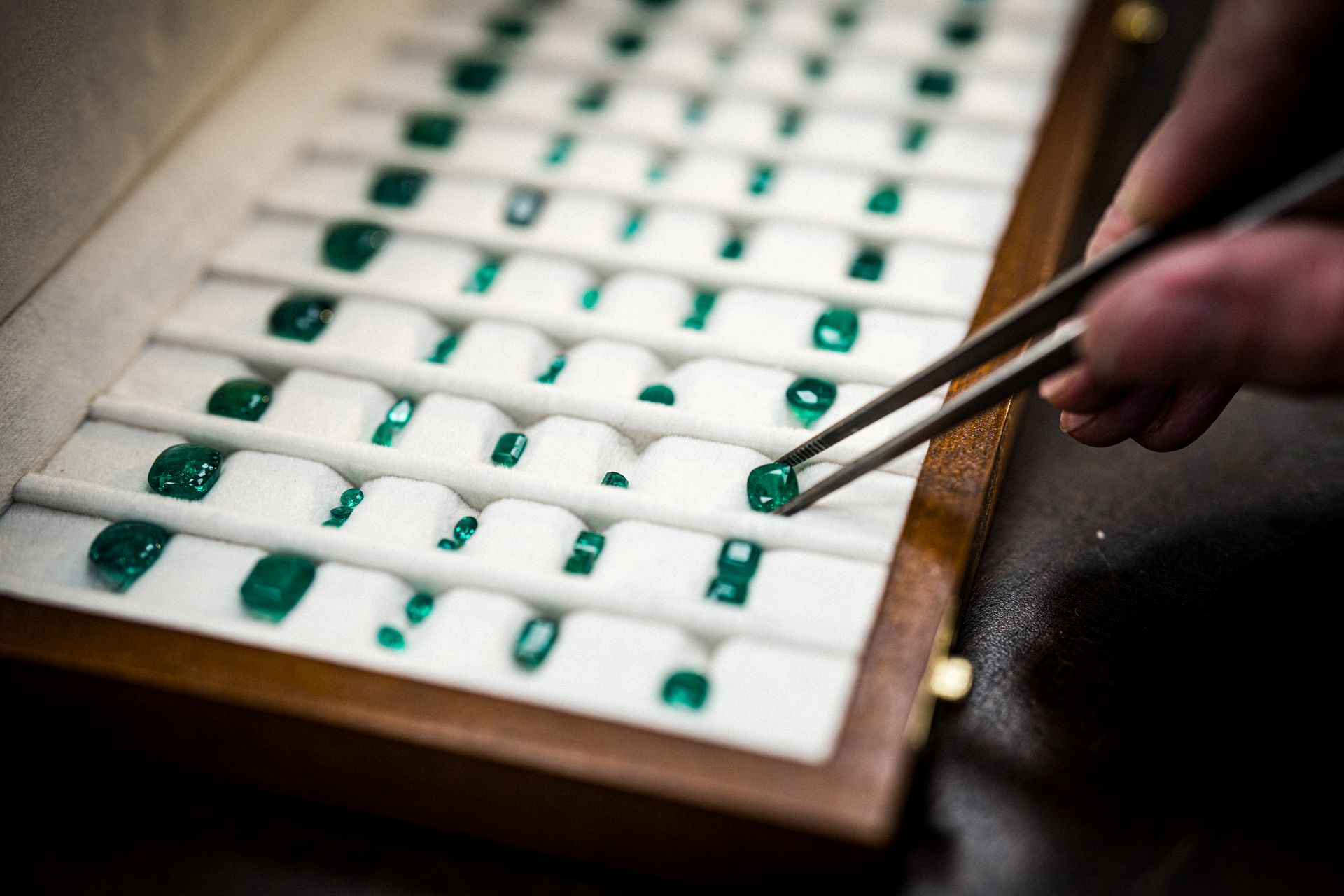
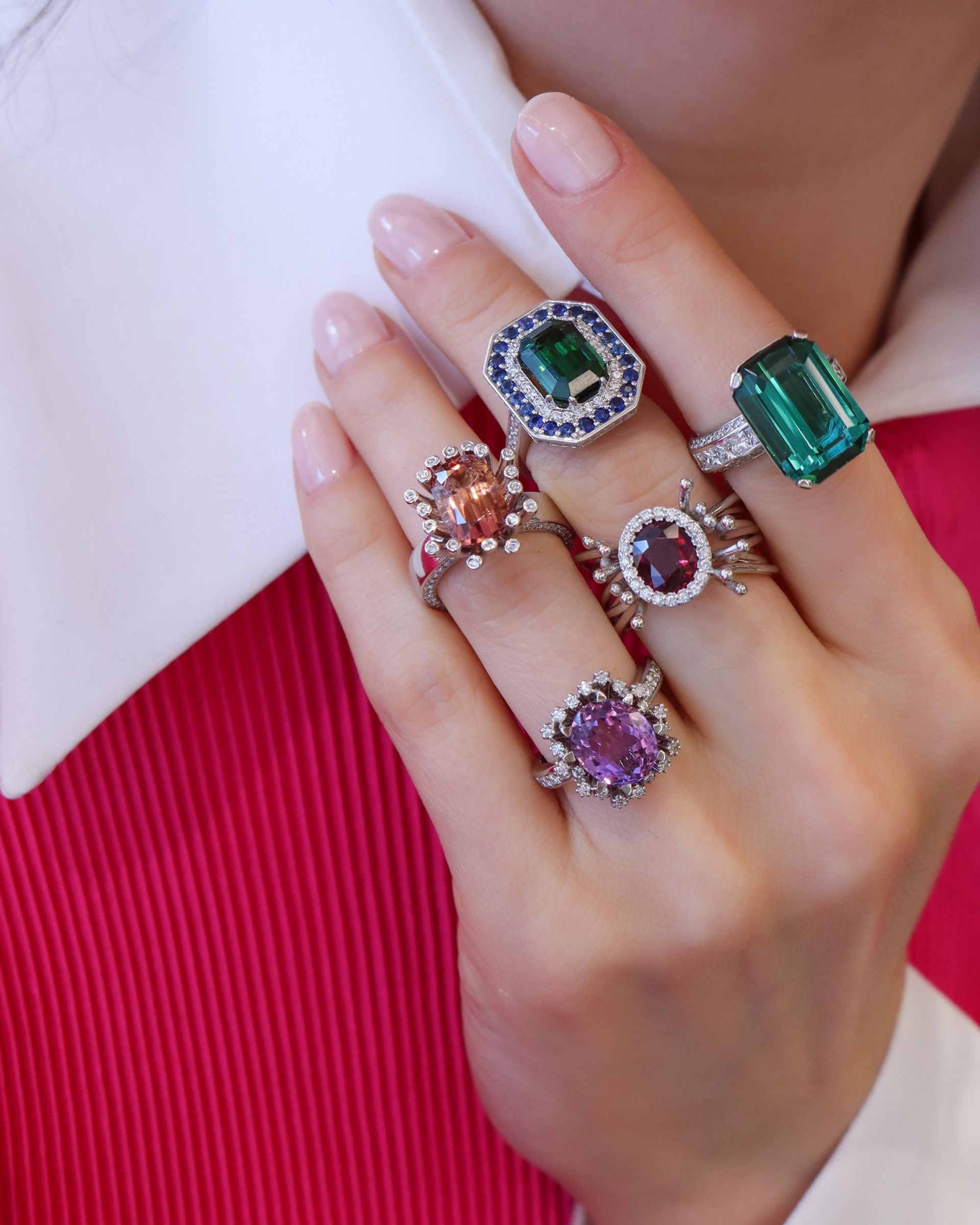
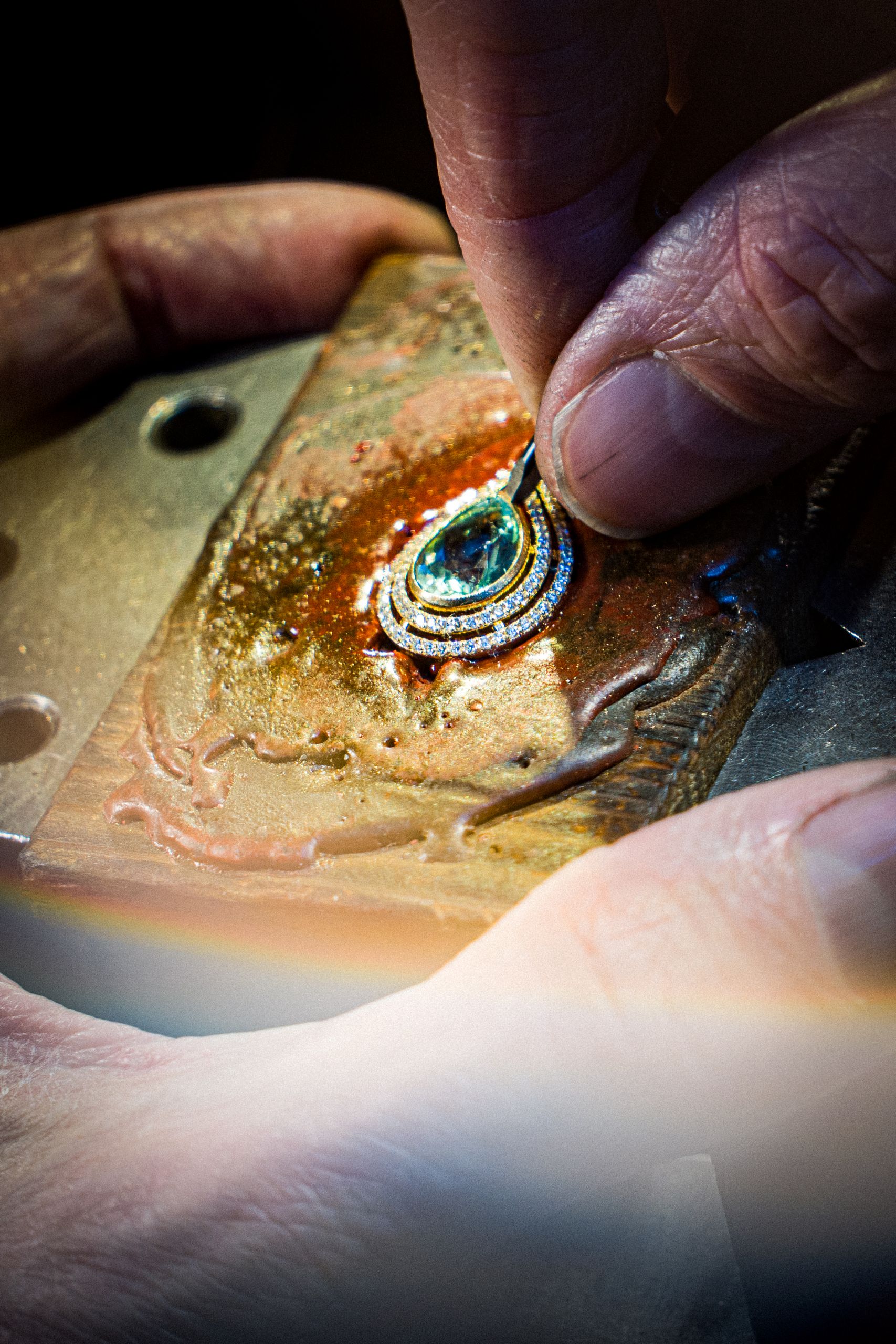
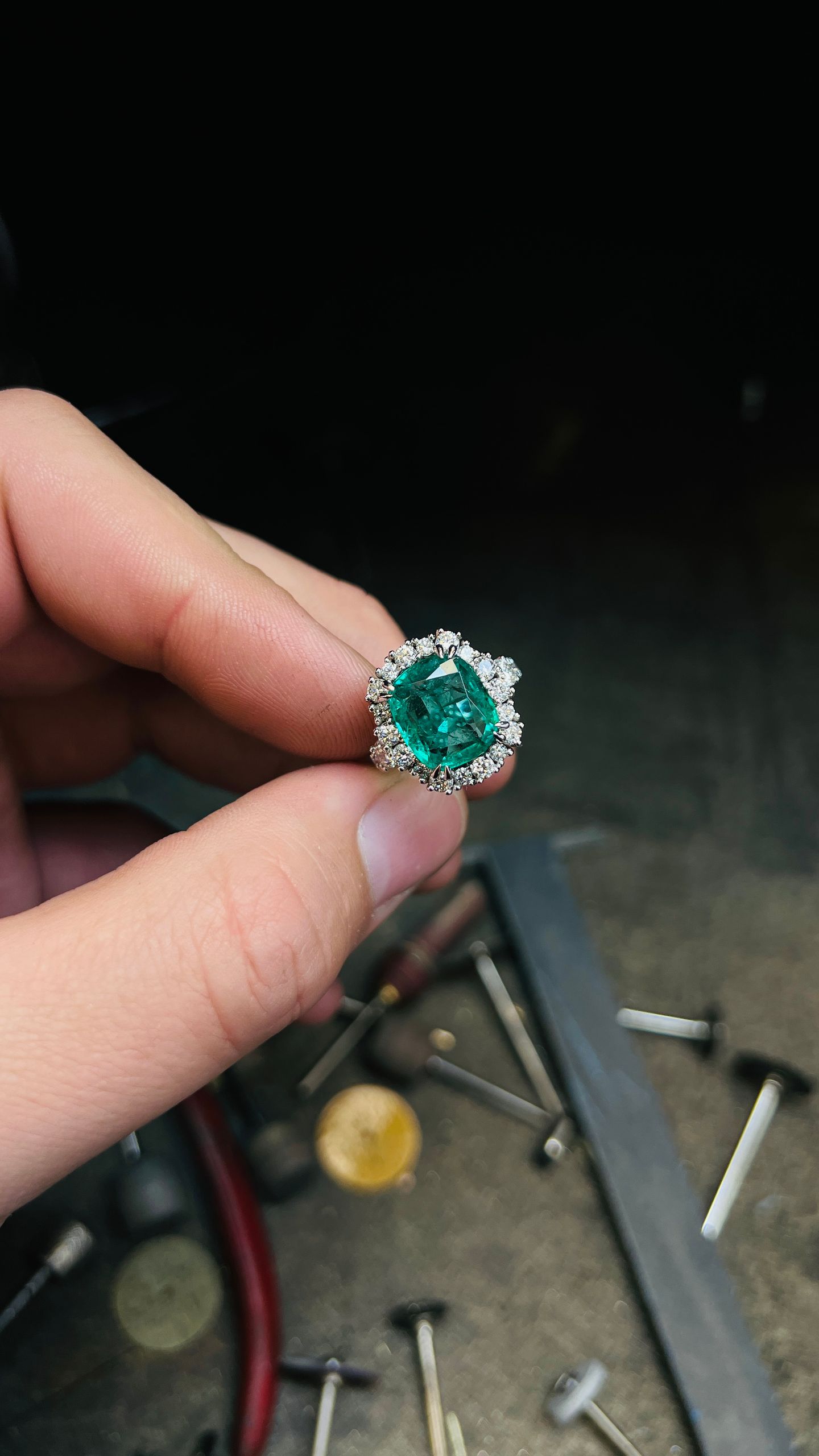
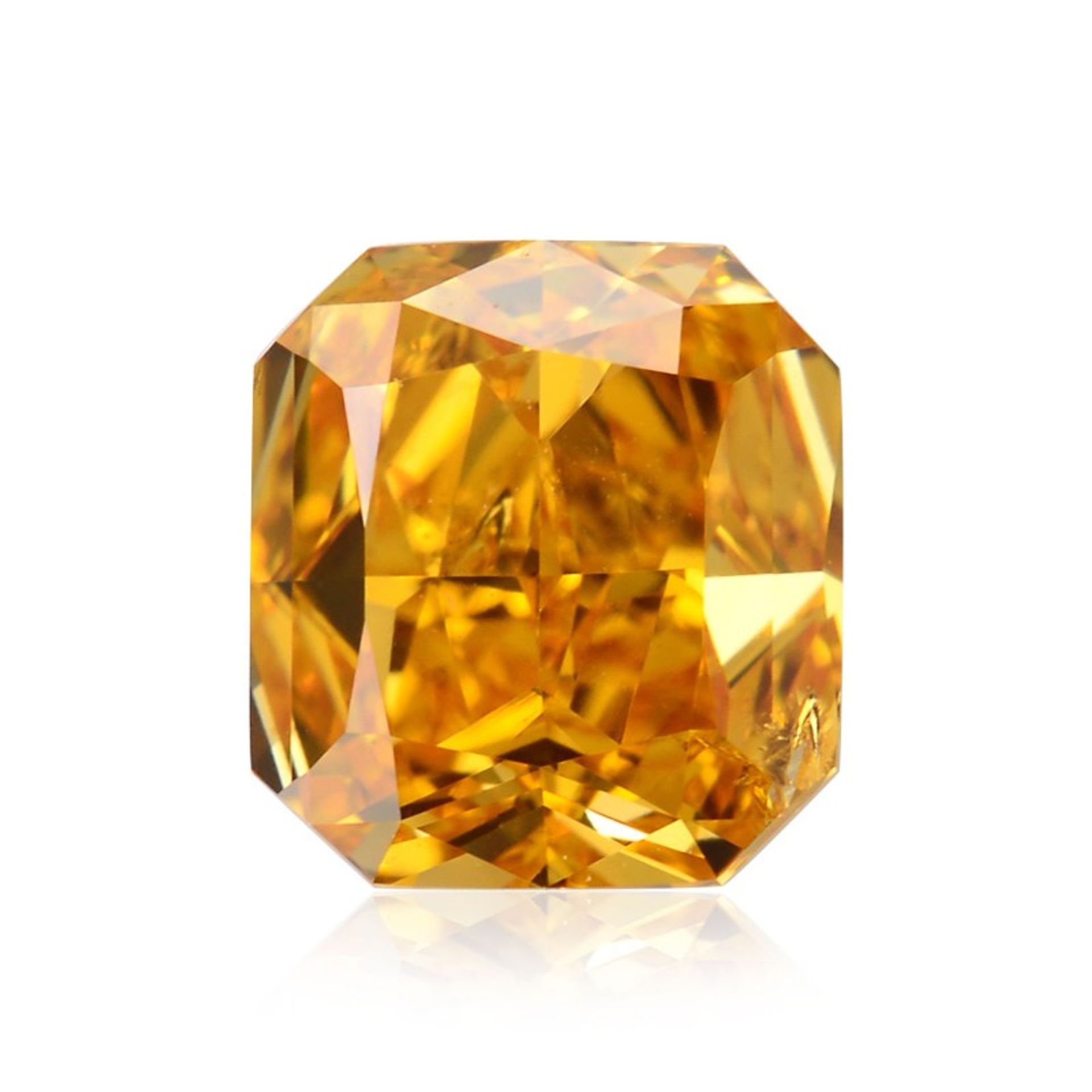
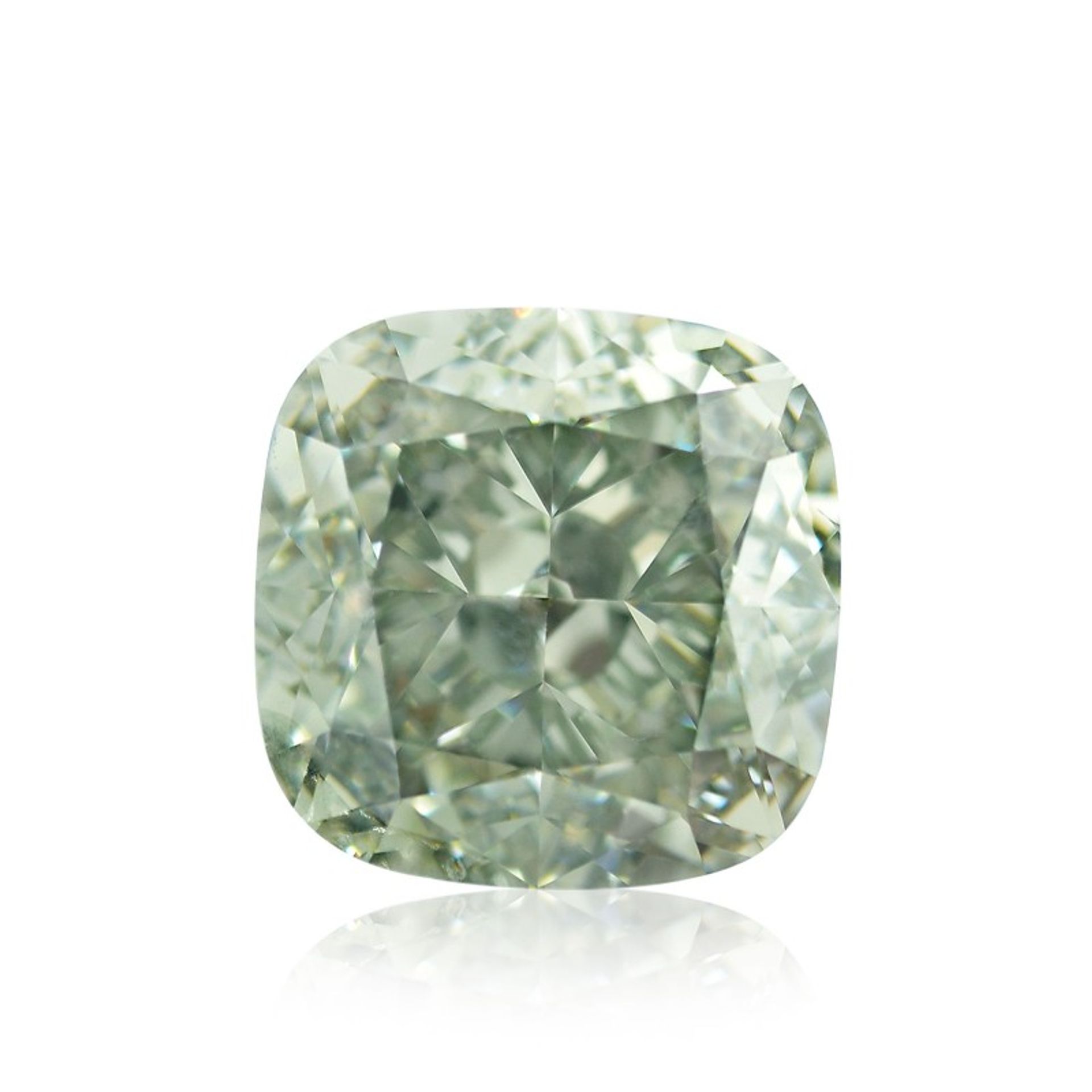
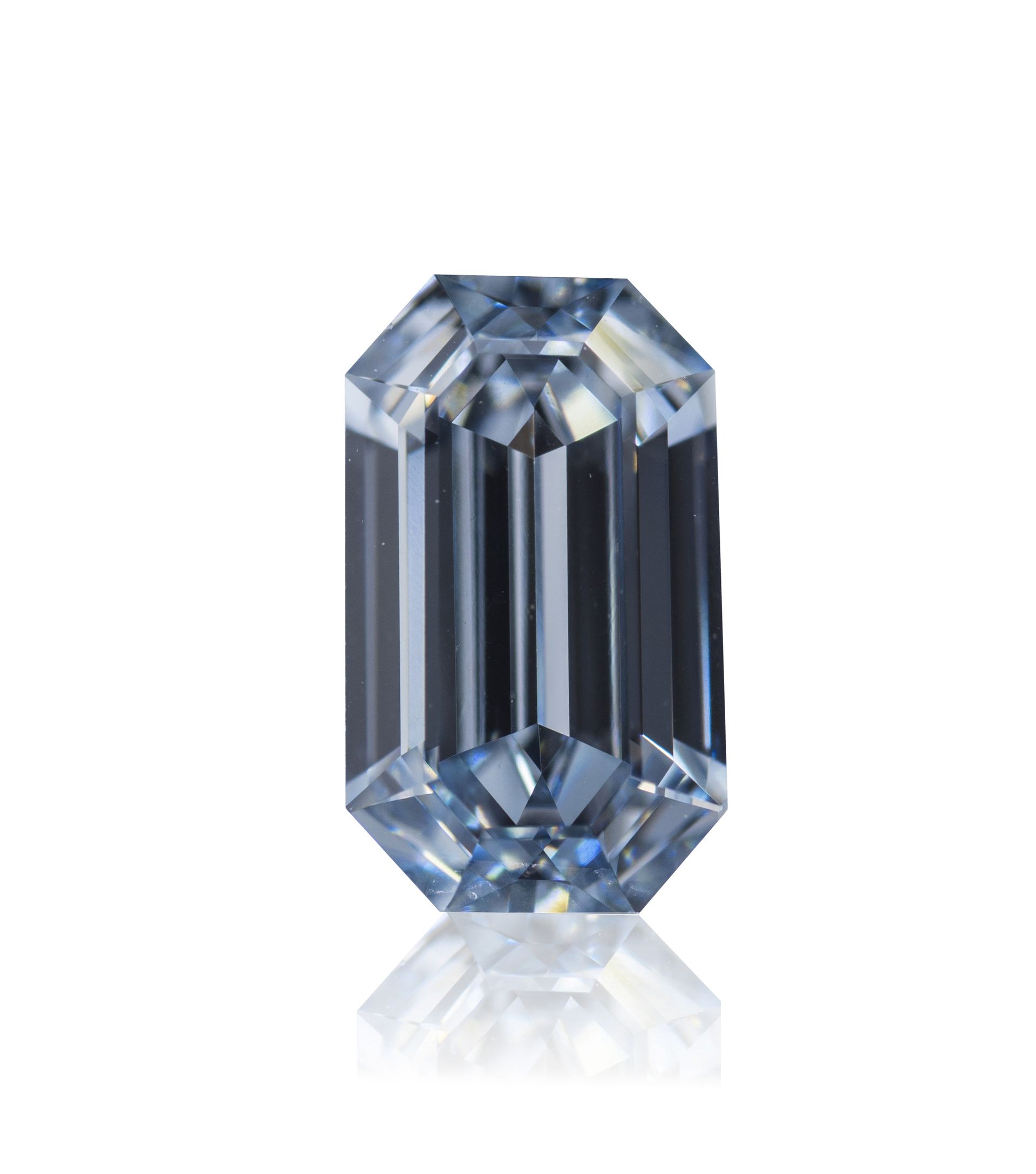
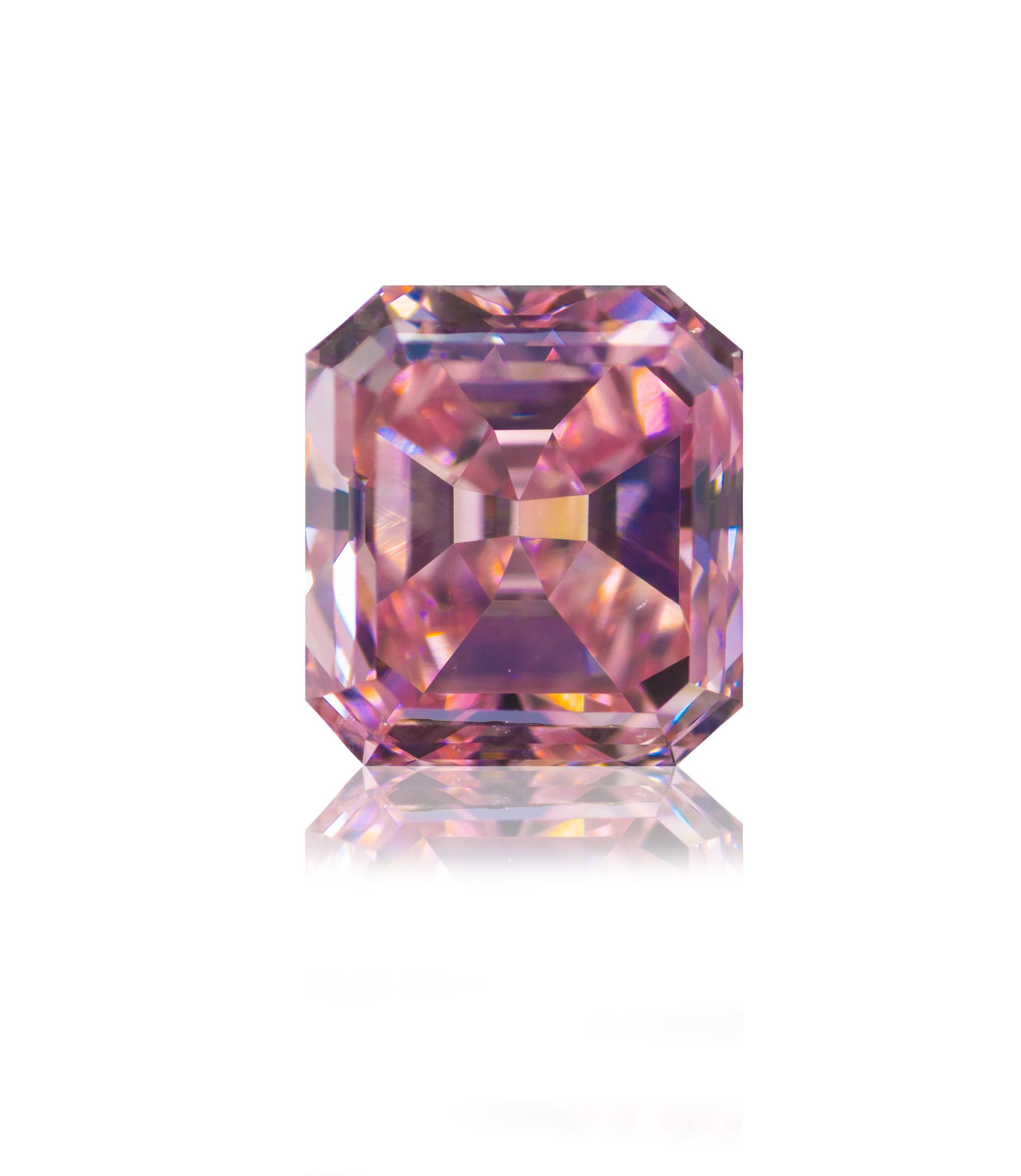
This idea is also at the heart of KORBIČKA jewellery. Rather than designing jewellery around a single season’s trends, it builds on natural gemstones, original design and honest goldsmithing craftsmanship. Luboš Korbička travels in search of gemstones directly to their sources, for example to the emerald mines in Colombia’s Muzo region, and personally cuts some of the stones. This allows him to influence their proportions, how they work with light and their final character.1
What you should know
- With coloured gemstones, colour is the primary consideration, followed by cut, clarity, size, origin and any treatments.
- Do not see inclusions as flaws. They are a natural part of the stone and may represent a trace of its formation millions of years ago.
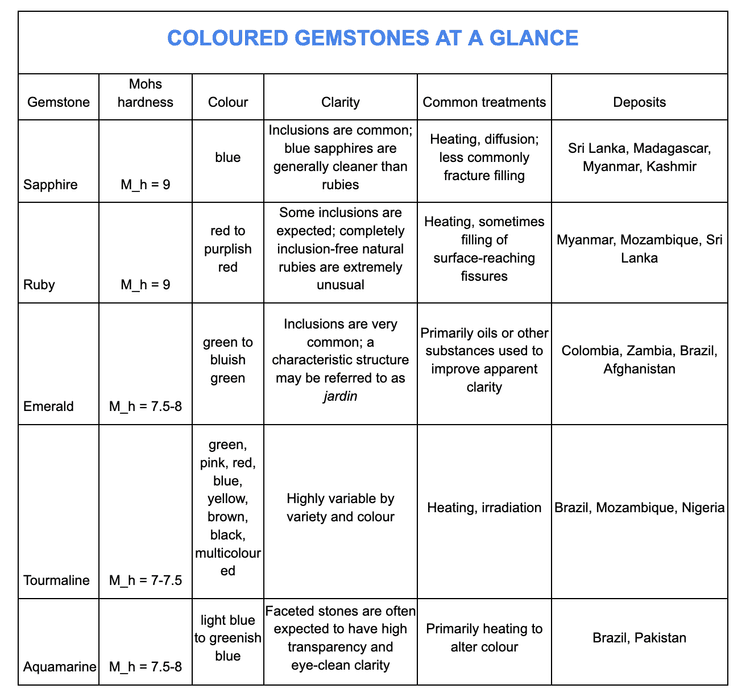
- Among the most sought-after rare gemstones are sapphire, emerald, aquamarine, ruby and tourmaline.
- For valuable stones, an independent gemological report is essential. It verifies the type of stone, whether it is natural or laboratory-grown, detectable treatments and, for selected gemstones, geographic origin.2
Why coloured gemstones fascinate us
A diamond primarily interacts with colourless light. With coloured stones, another variable comes into play: colour. It can be deep, delicate, multicoloured, uneven or change when viewed from different directions.
This is also why you cannot choose a coloured gemstone well from a photograph or carat weight alone. Two blue sapphires of the same size can look completely different side by side. One may absorb too much light and appear almost black, while the other may have a lively, saturated blue and light up with every movement. This is where the cutter’s work begins.
In one interview, Luboš Korbička points out that the same rough stone can end up completely differently in the hands of two people. Cutting is irreversible; material removed incorrectly cannot be put back. It is therefore not just about creating a regular shape. The key is deciding where to place each facet, how to preserve the best area of colour and how to bring the maximum light and life out of the stone.
How the value of coloured stones is assessed
There is no single figure on a certificate that can answer the question of how to choose a gemstone for you. Natural coloured stones are assessed by a combination of characteristics.
Colour: the first thing you see
For many coloured gemstones, colour is the most important factor in value. Its hue, tone, saturation and evenness are assessed.
For fine blue sapphires, for example, GIA favours blue to slightly violetish blue with strong to vivid saturation, provided it is not so dark that the stone loses brightness. For rubies, vivid red to slightly purplish red hues are the most highly prized.3
There is no single “correct” shade, however. A jewel with a natural stone has to connect with the person who will wear it. One person may identify with the deep blue of sapphire, another with the intense green of emerald or the unexpected colour transition of a bicolour tourmaline. A gold ring set with a pink-and-green bicolour tourmaline is one of the most intriguing pieces from KORBIČKA.
Clarity: a birth certificate inside the stone
A crystal grows underground under high pressure and temperature, surrounded by minerals and fluids. During this process, tiny crystals, needles, fluids or growth structures can become trapped inside it. These are inclusions. Their abundance and significance are judged differently for each type of gemstone. A prominent inclusion that restricts the passage of light or compromises the stone’s mechanical durability can reduce its value. But this does not mean that a perfectly clean stone is always the ideal.
Emeralds are a typical example, as internal characteristics are entirely normal in them. In rubies, stones completely free of inclusions are extraordinarily unusual.4 This is where technical gemology meets emotion. Do not think of inclusions as mistakes. They are the history of the stone.
Cut: a stone can return light or absorb it
A good cut is not only about symmetry. It determines how light enters the stone and how much of it returns to the observer. A cut that is too deep or too shallow can cause light leakage. Well-designed proportions, on the other hand, can enhance the stone’s colour, brightness and liveliness.
A cutter cannot use one universal template for coloured gemstones. They must respect the original crystal, colour distribution, inclusions and any colour zoning. With exceptional rough, a bespoke cut designed specifically for the individual stone may therefore make sense. The cutting process is one of the characteristic parts of Luboš Korbička’s work in creating bespoke jewellery. The aim is to find proportions in which the stone can fully reveal its colour and play of light.
Origin and treatments
With exceptional stones, geographic origin can also influence value. For sapphires, top-quality stones from Kashmir are particularly prized, while Colombia has an outstanding reputation for emeralds. A famous origin alone does not guarantee quality, however; the characteristics of the individual stone always matter.
Gemstone treatments are equally important. Heating sapphires is widely accepted in the market, while for an exceptionally fine natural sapphire, a laboratory confirmation that it has not been heated can increase its rarity and value. With emeralds, filling surface-reaching fissures with oil or other substances to improve apparent clarity is common.6
The traditional “holy trinity”: ruby, sapphire and emerald
Ruby, sapphire and emerald have long been considered the “big three” of coloured gemstones. GIA uses this term for the three historically most significant precious coloured stones.4 Because of their rarity, sustained demand and limited supply, fine examples are among the most interesting coloured gemstones from an investment perspective.
Tourmalines: a modern collector’s world of colour
Alongside the traditional trio, tourmalines have also achieved an exceptional position. Their strength is their enormous colour diversity, from green and pink shades through multicoloured crystals to intensely blue-to-green copper-bearing Paraíba tourmalines. Bicolour tourmalines form a special group. As the crystal grew, its chemical environment changed and so did its final colour. A single stone can therefore transition smoothly, for example, from pink to green. This unpredictability is exactly what Luboš Korbička loves about tourmalines. The natural colour distribution gives the cutter room to create a stone that will never have an exact copy.5
Certification of authenticity: what a laboratory should actually confirm
An independent gemological report from GIA (Gemological Institute of America) is intended to objectively identify exactly what you are buying. For coloured stones, GIA offers reports that confirm the type of stone, whether it is natural or laboratory-grown, and any detectable treatments. For selected stones, an expanded report may also include an opinion on geographic origin.6
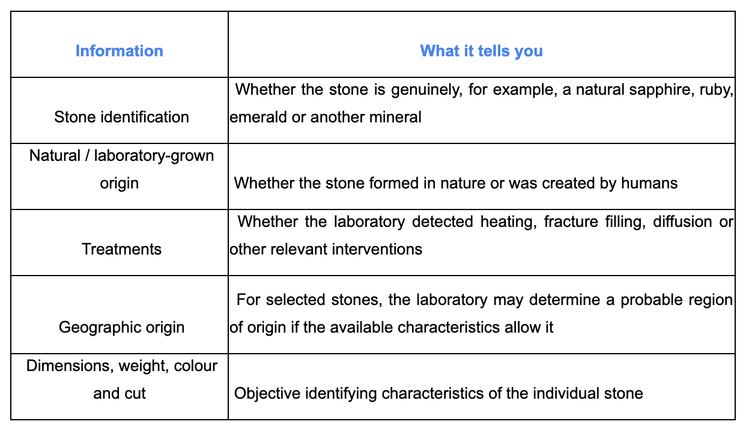
A certificate is not a beauty grade. For aquamarine, for example, GIA explicitly states that it identifies the stone and assesses its characteristics, but does not assign a universal quality grade such as AAA. Such commercial designations are not a uniform international standard.7
How to choose a gemstone for your jewellery
Find a stone that makes you look at it again immediately. Then consider its clarity, cut, size, any treatments and origin. For more expensive stones, ask for appropriate documentation. Above all, view the gemstone in person and in motion. That is when you will discover whether it has what a certificate cannot capture. Life.
When creating a bespoke piece in the KORBIČKA workshop, the selection can begin with the stone itself. Only then is the final design of the ring, earrings, necklace or other piece built around its colour, proportions and character.
For emeralds, you can also look for inspiration in the Emerald Collection, which grew out of Luboš Korbička’s journeys to Colombia.
Find your stone
If you are looking for a natural gemstone for an engagement ring, a distinctive bespoke piece or an exceptional stone with long-term value, you can discuss your choice in person at the KORBIČKA atelier in Brno or the Prague showroom. Arrange a personal consultation and choose the gemstone around which your own jewel with a story will be created.
Discover the world of coloured gemstones
Every gemstone has a different origin, properties and character. Learn more about the stones we work with in our atelier.
Sapphire
A royal classic in many shades
Discover one of the hardest gemstones, its colour varieties, origins and properties.
Emerald
The unmistakable depth of green
Find out what makes emeralds different, where the most valuable stones come from and why their inclusions are so unique.
Tourmaline
A gemstone where no two pieces are alike
Explore the fascinating world of tourmalines and bicolour stones, where different colours naturally blend into one another.
Aquamarine
Blue inspired by the sea
Discover the light-blue variety of beryl, its typical properties, shades and use in jewellery.
Sources:
- [1] KORBIČKA. Luboš Korbička and his expedition to Colombia where the most beautiful emeralds are found [online]. 3. 4. 2023 [accessed 2026-08-25]. Available at: https://www.korbicka.com/en/lubos-korbicka-and-his-expedition-to-colombia-where-the-most-beautiful-emeralds-are-found
- [2] SHANG, Phoebe. How GIA Analyzes Colored Stones from Start to Finish [online]. Gemological Institute of America, 30. 9. 2025 [accessed 2026-08-25]. Available at: https://www.gia.edu/gia-news-research/guide-how-gia-analyzes-colored-stones
- [3] GEMOLOGICAL INSTITUTE OF AMERICA. Sapphire: Buyer’s Guide [online]. [accessed 2026-08-25]. Available at: https://www.gia.edu/sapphire/buyers-guide
- [4] GEMOLOGICAL INSTITUTE OF AMERICA. Emerald Quality Factors [online]. [accessed 2026-08-25]. Available at: https://www.gia.edu/emerald-quality-factor
- [5] KORBIČKA. Tourmaline: a gemstone with a fascinating history and extraordinary properties [online]. 9. 8. 2025 [accessed 2026-08-25]. Available at: https://www.korbicka.com/en/turmalin-drahokam-s-fascinujici-historii-a-neobycejnymi-vlastnostmi
- [6] GEMOLOGICAL INSTITUTE OF AMERICA. Colored Stone Reports & Services [online]. [accessed 2026-08-25]. Available at: https://www.gia.edu/gem-lab-service/colored-stone
- [7] GEMOLOGICAL INSTITUTE OF AMERICA. *Aquamarine: Buyer’s Guide* [online]. [accessed 2026-08-25]. Available at: https://www.gia.edu/gia-website/aquamarine/buyers-guide